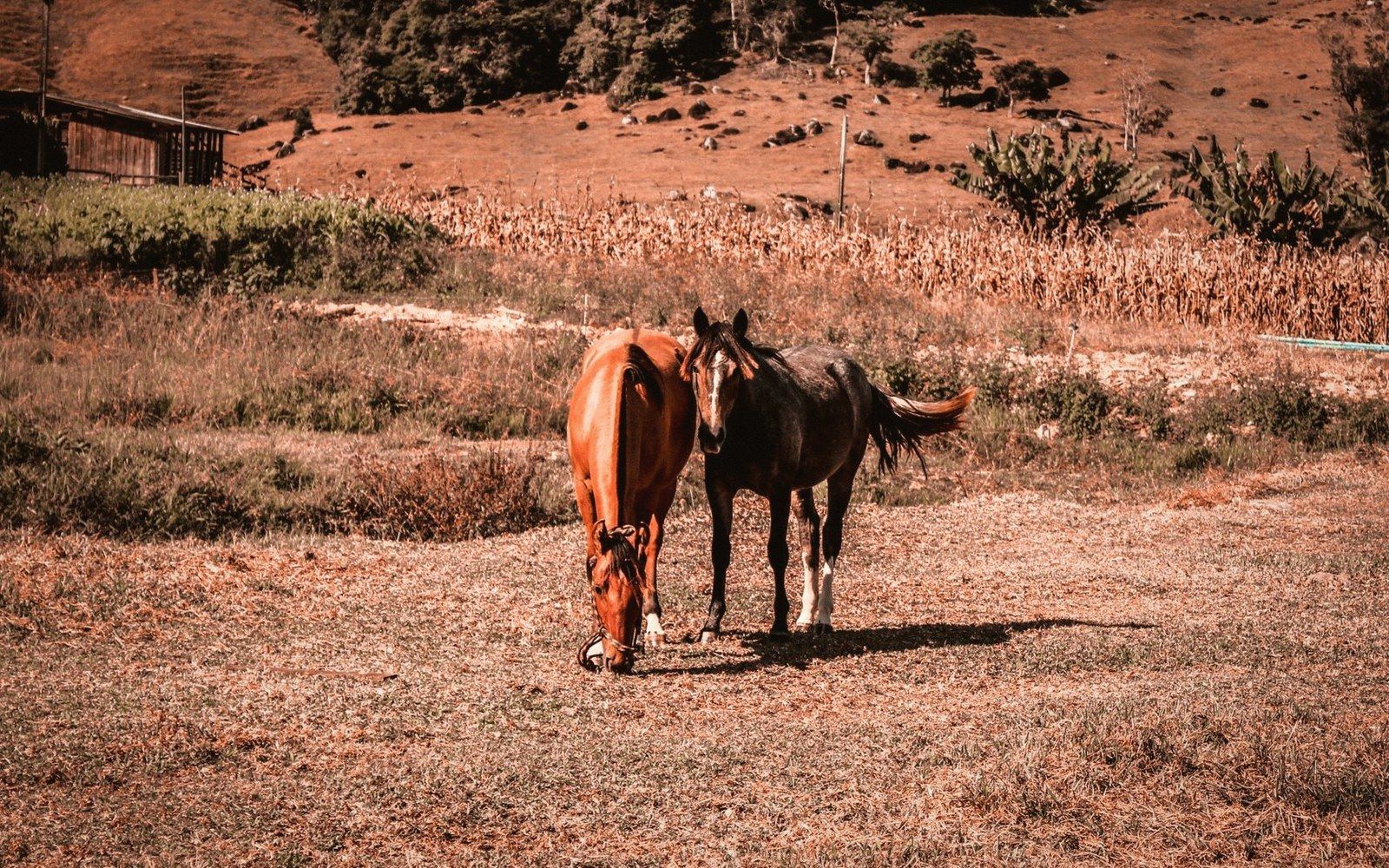
When the group moves, it is rarely the boss who says so
Watch a band of horses long enough and a question surfaces that the standard dominance story struggles to answer: who actually decides when the group moves, and where?
The intuitive answer — that the most dominant animal leads — turns out, on close observation, to be unreliable. In study after study of free-ranging and semi-feral groups, the individual that initiates movement is not reliably the one that wins most dyadic contests or holds highest social rank by the usual metrics. Movement leadership and social dominance track different animals, often in the same band, often on the same afternoon.
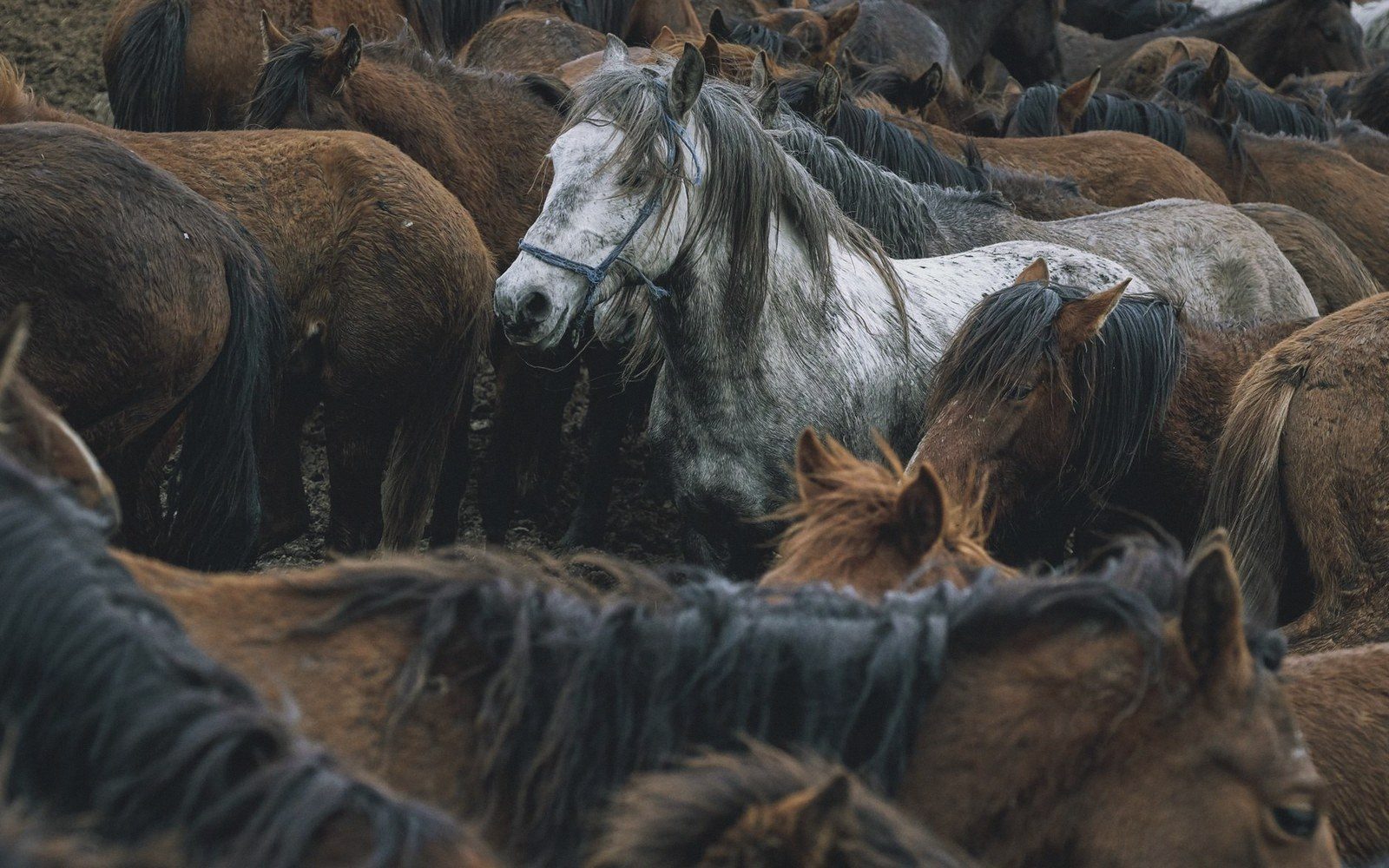
Numbers and patterns worth calling out
ObservedInitiators of group movement are frequently older females, not dominant males
the group's collective response determines whether movement follows
A small number of individuals typically account for the majority of departures in a stable band
genuinely variable — splits, reversals, and rank-wins all occur
Initiation, not rank
The mechanics of group departure in horses follow a pattern ethologists call consensus movement: the group does not simply follow whoever stands up first. Instead, one animal — the initiator — signals intention through a cluster of subtle postural shifts. Weight comes forward. The head lifts and orients. A few slow steps may follow, then a pause. What happens next depends on whether others affiliate with that signal or ignore it.
If enough animals echo the posture — standing, orienting in the same direction — the band moves. If they don't, the initiator may simply stand there, or settle back and graze. The decision is genuinely collective in the sense that one animal cannot compel the rest; it can only propose. A horse that is peripherally positioned, low in whatever hierarchy the observer has been tracking, can and does initiate movement that the whole group eventually joins.
Research on horses in semi-natural conditions — notably work drawing on methodologies developed through observational studies of free-ranging equids in France's Camargue wetlands and in feral populations in North America — has repeatedly found that a small number of individuals initiate the majority of group departures, and these individuals tend to share characteristics other than rank. They are often older females. They are often animals with broad ranging experience or long tenure in the group. They are often the individuals around whom others cluster spatially when the band is at rest — central, affiliative animals rather than animals that win approach-retreat contests.
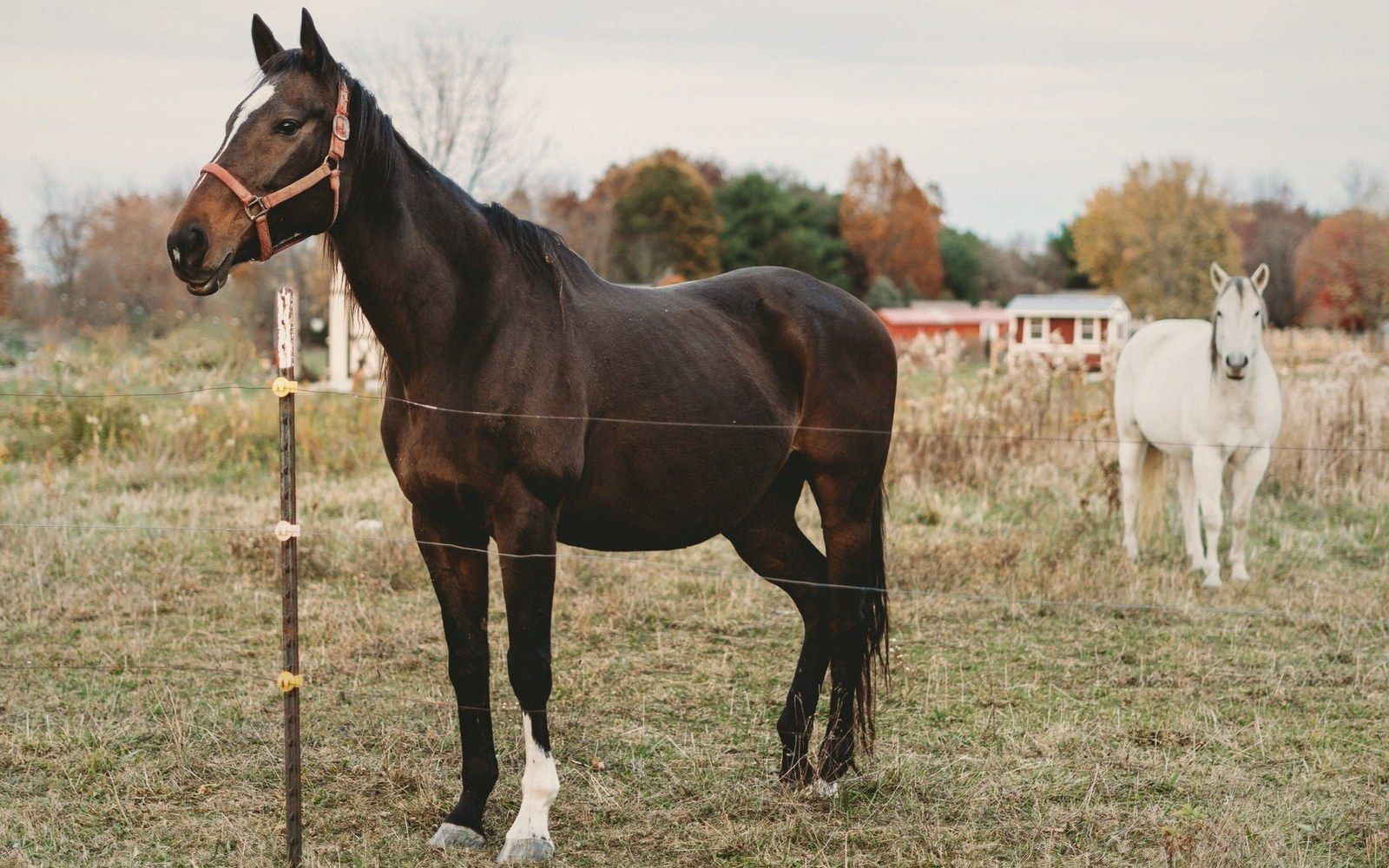
This matters because it reframes what we mean by leadership in a highly social, non-territorial species. In horses, leadership appears to be at least partly a function of information — knowledge of where water, shelter or good grazing has been found — and of social connectivity. The initiator needs followers, and followers are more likely to follow an animal they already spend time near. Herd structure in bands is therefore not incidental to movement; it is the substrate that makes coordinated departure possible at all.
A horse that is peripherally positioned, low in whatever hierarchy the observer has been tracking, can and does initiate movement that the whole group eventually joins.
What the followers are reading
The animal that moves second — and third — is reading something real. Horses are exquisitely sensitive to postural signals from conspecifics, and the shift from grazing posture to travel posture involves the whole body: head carriage, ear orientation, weight distribution, tail. None of this requires a dominance relationship to transmit information. An animal simply has to be paying attention to other animals, which horses characteristically are.
What happens when a high-ranking animal and a habitual initiator simultaneously signal different directions is genuinely interesting to watch, and the honest answer is that outcomes vary. Sometimes rank resolves it; sometimes the better-connected initiator pulls more followers; sometimes the group splits briefly. The dominance story predicts a clean outcome that real bands frequently fail to deliver.
There is also a temporal dimension that changes how the question looks. In the short run — a single departure, on a single afternoon — rank may predict little. Over weeks, a pattern emerges that shows certain animals more influential than others. But that influence is contingent on context: who else is present, how long the band has been together, whether the direction proposed is familiar or not. Leadership in horses is situational, distributed and revocable in a way that the classic hierarchy model simply was not built to capture.
What a band of horses in a field is doing, each time they drift together from one corner to another, is running a continuous, low-key vote — one that the most combative animal does not automatically win.