The reflex that happens before the decision
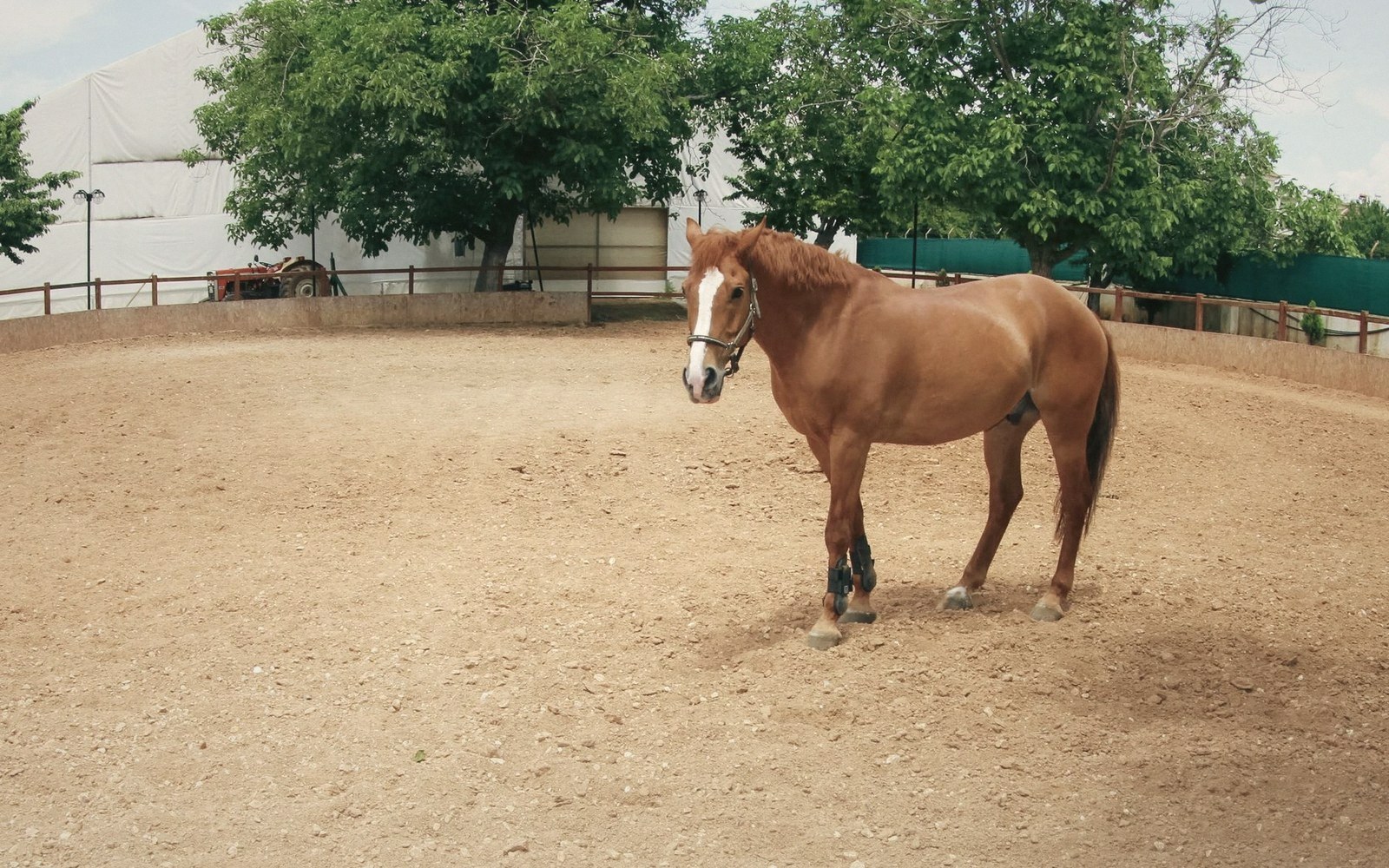
A horse standing quietly in a field hears something behind it. In a fraction of a second, before it has identified what the sound is or whether it matters, the body is already moving. This is not a decision. It is a reflex — neurologically prior to any deliberate response, executing faster than the cortex can weigh the options.
The startle reflex in mammals is mediated by the brainstem, not the cortex. Research on startle circuits has traced the core pathway through the cochlear nucleus and down to motor neurons in the spinal cord and brainstem, a loop short enough that a whole-body response can be underway in under a hundred milliseconds in many species. The horse is not exceptional here; it is a textbook prey mammal, and the reflex is well-tuned. What makes horses striking to watch is the scale of the response and how completely it bypasses deliberate thought. The animal is halfway across the field before the conscious assessment — if there is one — even begins.
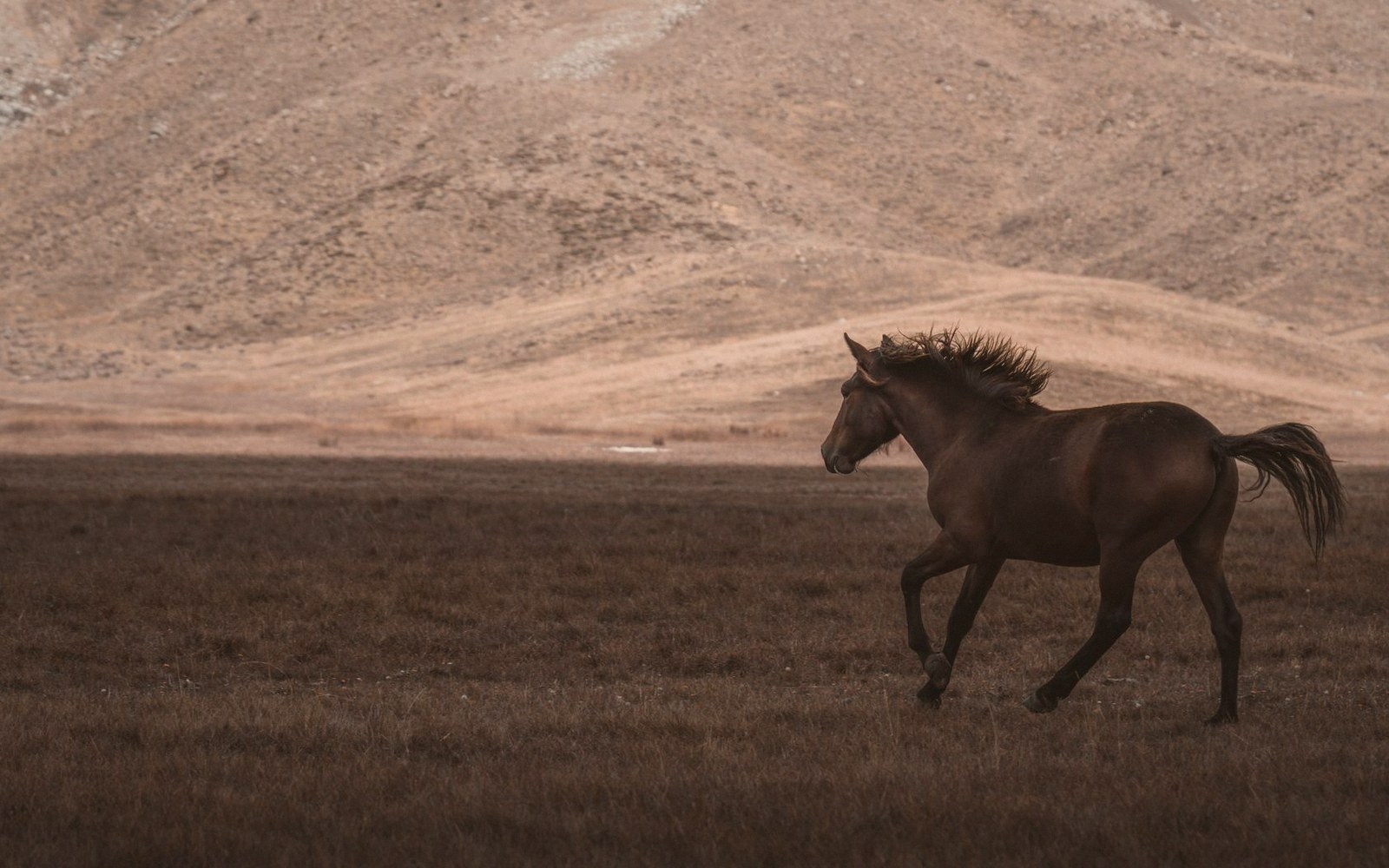
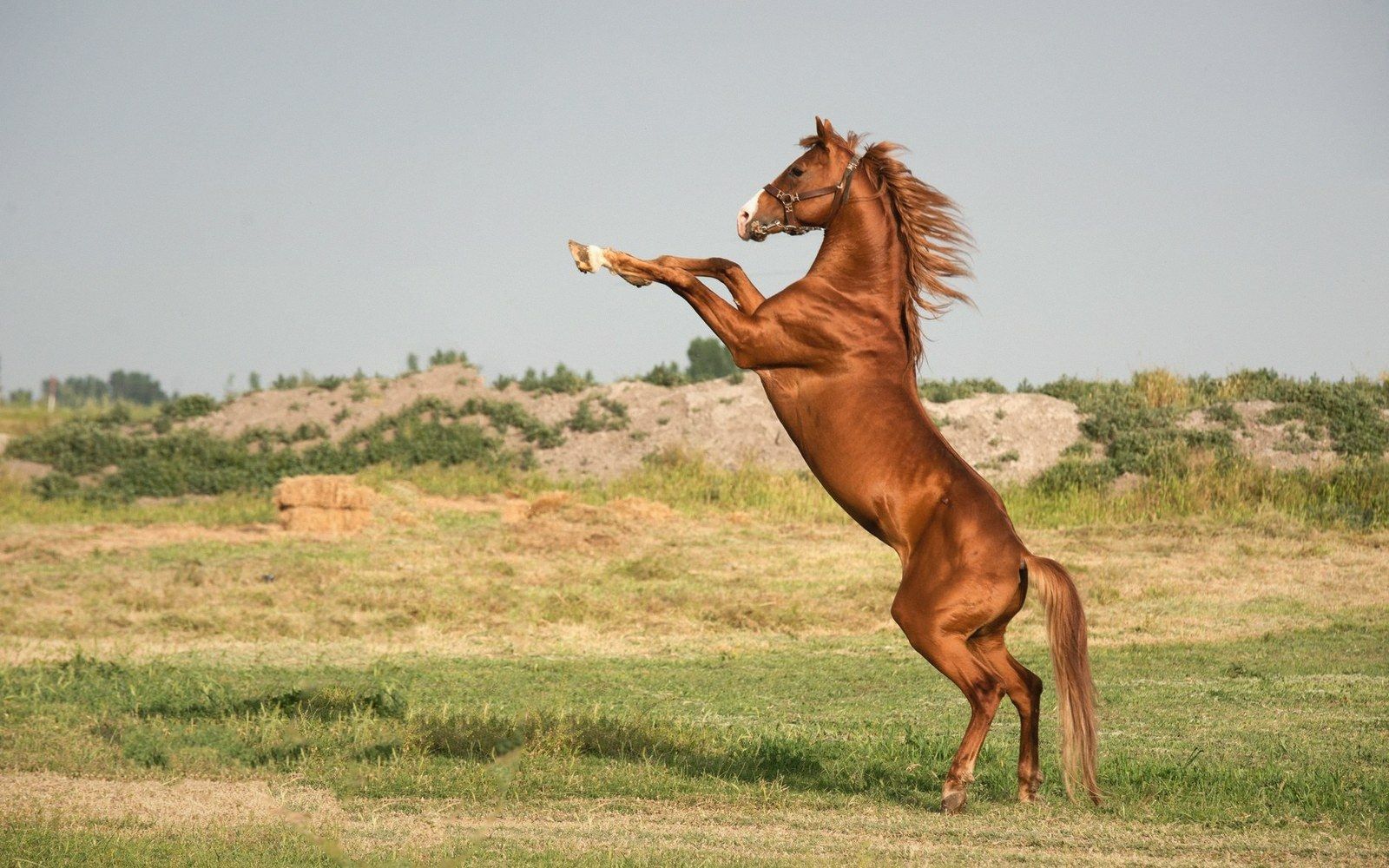
The sensory trigger can be auditory, visual or tactile. A sudden sharp sound is the classic case, but a fast movement at the edge of the visual field, or an unexpected touch, produces the same cascade. The eyes widen, the head comes up, the neck stiffens, the hindquarters compress and push. This coordinated pattern — orient, load and leave — is ancient, and it is fast precisely because speed was the variable that determined whether an ancestor lived or died. A second's delay to consider whether the rustle in the grass was a predator was, evolutionarily, a second too long.
This is why a second, smaller event shortly after the first can produce a response that looks disproportionate.
What is actually happening — a short sequence
ObservedTrigger (sound, movement, touch) arrives
no cortical input yet
orient, load hindquarters, push off
the animal is already moving by this point
Post-startle arousal elevation persists for a prolonged period after the event
Modulation, not suppression
The startle is not all-or-nothing in its intensity. The same animal in the same field will respond more violently to an identical sound when it is already alert or isolated than when it is calm and in company. Researchers call this modulation — the gain on the reflex is turned up or down by background arousal state. A horse coming down from a previous alarm is in a physiologically heightened state for longer than most observers assume; the climb-down takes far longer than the climb-up. This is why a second, smaller event shortly after the first can produce a response that looks disproportionate.
Individual variation is real and consistent. Some horses are measurably more reactive than others across repeated tests, and this appears to be a stable trait rather than simple inexperience. Research has also documented that horses startle more readily when isolated from others — social buffering, the dampening effect of herd presence on stress physiology, is well-established in the literature on social mammals, and horses are no exception. A single horse in a strange environment is running its reflex circuitry at higher gain than the same animal in familiar company.
The question of whether a horse can habituate to startle-triggering stimuli sits in an interesting middle position. The startle reflex itself is not fully extinguishable — brainstem-level reflexes in most mammals cannot be trained out entirely. What changes with repeated, uneventful exposure is the post-startle behaviour: the animal still flinches, but the full flight response fails to follow because habituation has weakened the link between the flinch and the subsequent gallop. The reflex and the decision to flee are not the same thing, even though one typically drives the other.
Context shapes the size of the aftermath, too. Familiar environments carry lower risk in the animal's learned world, so a stimulus there generates less secondary arousal. Something that triggers a mild startle at home may trigger a full flight response in an unfamiliar place, from the same initial reflex — because the background uncertainty is different. Acuity and visual processing add another layer: a horse may not immediately identify what moved, and an unidentifiable threat is more alarming than an identified one. A familiar object in a new position registers, perceptually, as something new.
None of this is error. The reflex does exactly what it evolved to do: it acts before there is time to be certain, because certainty arrived too slowly to be useful. What an observer sees — the explosive, apparently disproportionate departure — is a system working as specified. The calculation it runs is not what is this? but should I already be gone?