The social unit that actually matters
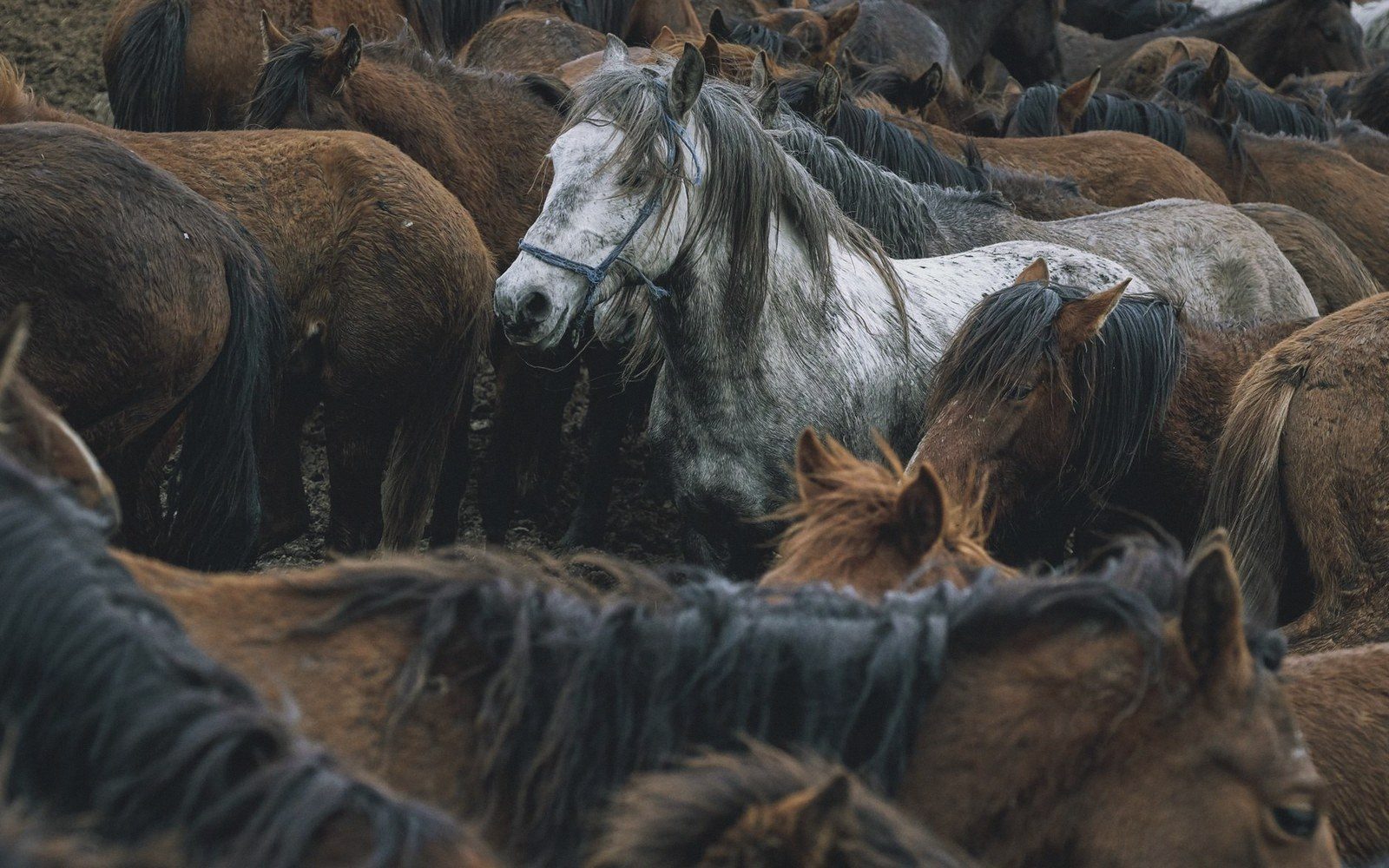
Wild and feral horses do not live in large, undifferentiated herds. The structure that matters — the one shaped by millions of years of selection — is far smaller: a band, typically of three to ten animals, that stays together across years and sometimes across decades.
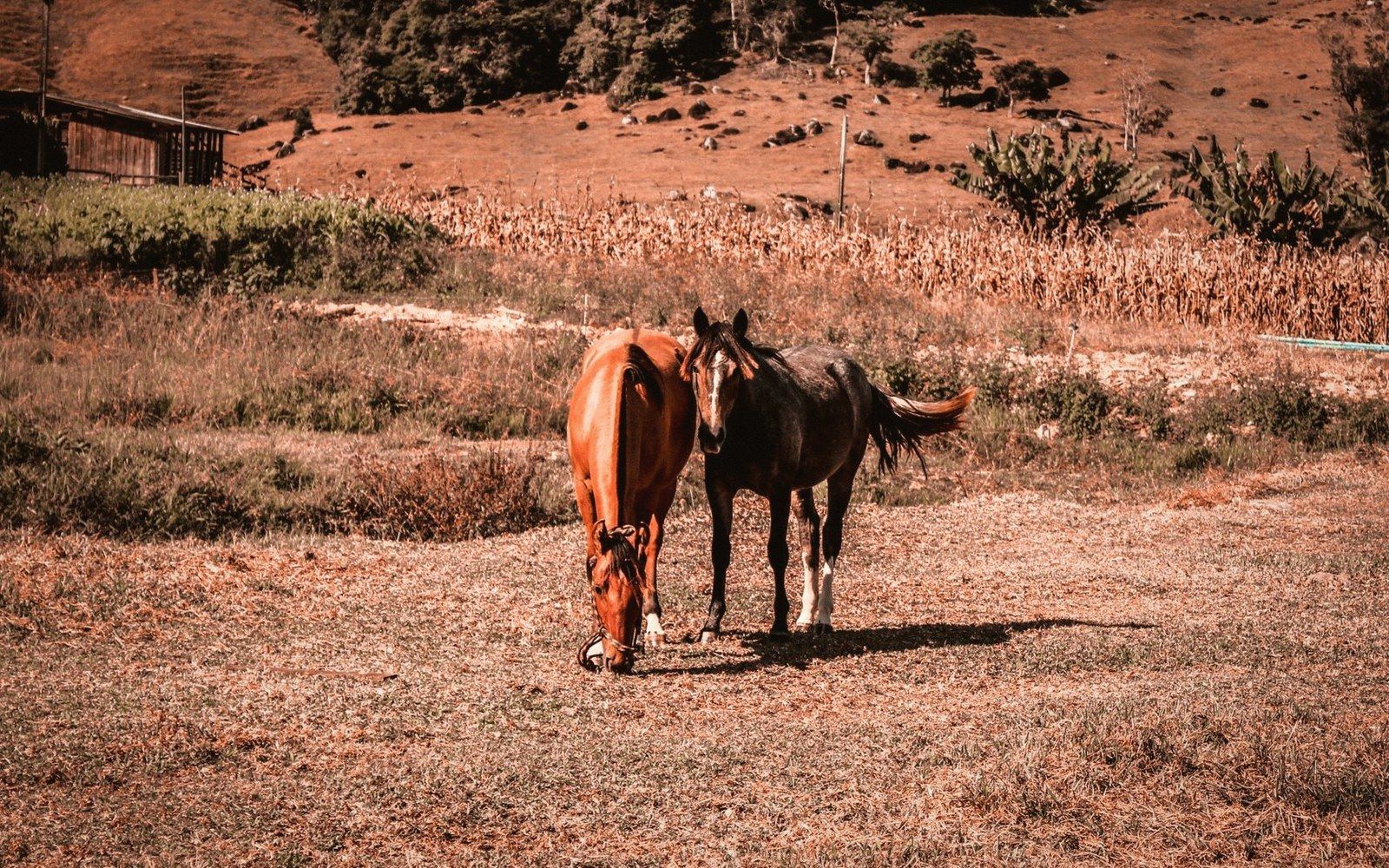
A band is not simply the horses that happen to share a pasture on a given afternoon. It has a stable membership, a shared home range, and a set of long-term relationships between individuals who know each other thoroughly. The classic composition is one or two stallions, a number of mares, and their immature offspring — but that template varies. Mare-only bands exist. Multi-stallion bands are common. What does not vary is the persistence: band members graze together, move together, rest in proximity, and flee in the same direction when something frightens them.
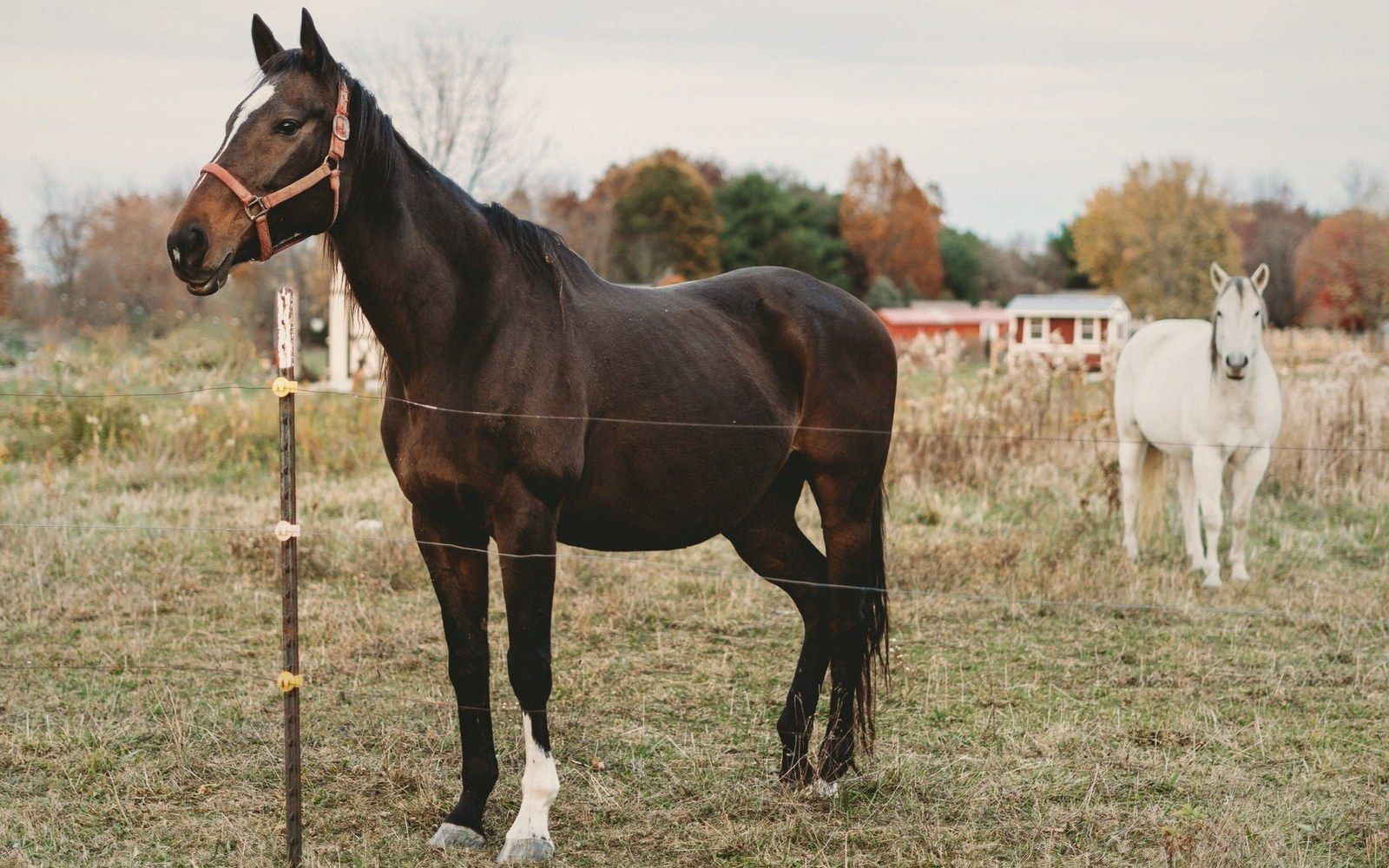
The most coherent research on band structure comes from studies of feral populations — the Camargue horses of southern France, the Pryor Mountain Mustangs in Montana, the Assateague Island ponies off the coast of Maryland and Virginia, and the Kaimanawa horses of New Zealand's North Island. Each population has its own ecological pressures and its own demographic patterns, but across all of them the same picture emerges: the band is stable, membership turnover is slow, and when a band does dissolve it is usually because of an external event — drought, predation pressure, or a reproductive failure that leaves a group too small to cohere.
Within the band, the relationships that carry most social weight tend to be between mares. Mares invest years in building affiliations — mutual grooming, preferential proximity, co-ordinated movement — and it is often a senior mare whose route choices set the group in motion. This is not dominance in the simple linear-hierarchy sense, which the evidence does not support clearly in horses; it is better described as consistent leadership shaped by familiarity with terrain and resources. The stallion or stallions have a different role: boundary awareness, vigilance at the group's periphery, and reproductive activity. They are not navigators in the way a lead mare may be, and treating them as the band's decision-maker misreads what field data actually show.
The band at a glance
Observedthree to ten individuals, though this varies by population and habitat
mares and their offspring; stallions present but not the social centre of gravity
years to decades; membership turnover is slow under normal conditions
stable associations of young males, not random temporary aggregations
often initiated by experienced mares, not by stallions
Young horses — colts especially — leave the band, usually between one and three years of age, often departing with other young males to form bachelor groups. These bachelor bands are themselves stable associations, not temporary aggregations, and they provide the social context in which young males refine their interactive repertoire before establishing bands of their own. Fillies may leave voluntarily or join another band through a process that can take days of parallel movement, approach and retreat before they are fully incorporated.
The band also operates as a collective sensory system. When one animal startles, others orient toward the same point before they have any independent information — a response so fast it resembles synchrony but is almost certainly a trained-by-selection reflex to the posture and movement of a groupmate. Flight, when it happens, is coordinated; the band moves as a unit, not as a scatter. The efficiency of this response depends on familiarity: animals that know each other's normal baseline can read a deviation from it instantly. A horse newly introduced to a group lacks this shared calibration, and that absence is behavioural as much as it is social.
What the band provides, in the end, is not just safety in numbers but the specific safety that comes from known numbers: individuals whose gait you recognise, whose alert posture you have seen a hundred times in a non-emergency, whose alarm you can therefore trust. Domestication altered a great deal about the horse's circumstances. It did not alter the nervous system that was built inside a small, stable group of known companions.