A small vocabulary doing a lot of work over distance
Horses are not a vocal species by the standards of, say, primates or corvids. The repertoire is modest — whinny, nicker, squeal, snort, blow — and several of those sounds function at very close range or in specific, narrow circumstances. What the vocal system lacks in variety it makes up for in information density: a single whinny carries individual identity, emotional state and, in mares calling to foals, directional contact information, all at once.
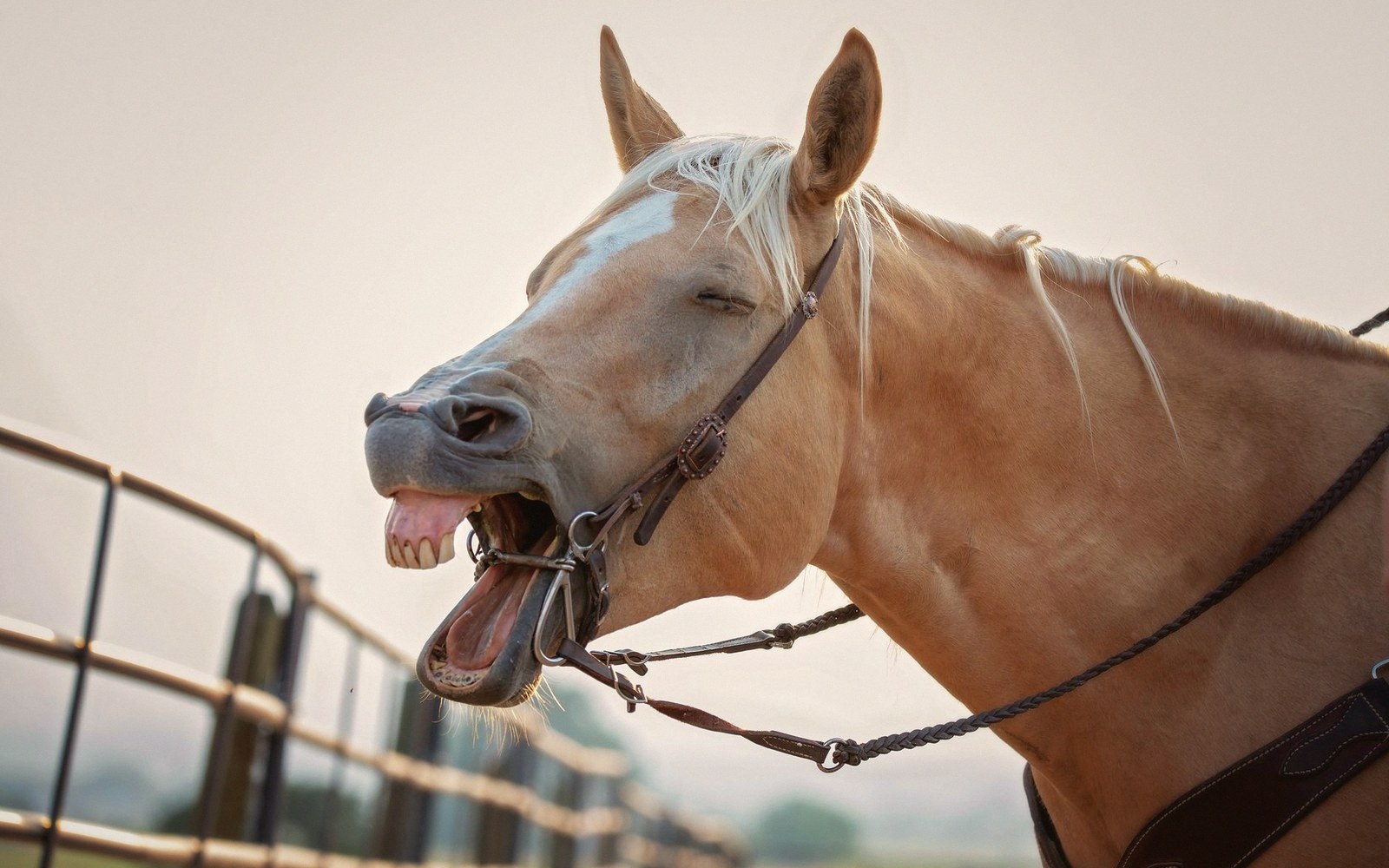
The whinny (sometimes called a neigh) is the long-distance signal. It is produced on both the outbreath and inbreath, which extends its duration and carrying power. Horses use it to locate group members, to respond to separation, and — reliably demonstrated in research — they match voice to face: a horse hearing a whinny from a herdmate it cannot see shows measurable surprise if the wrong individual then appears around a corner. That expectation-violation finding, published in 2009 by Leanne Proops and colleagues at the University of Sussex, is clean evidence that horses form individual vocal identities for those around them, not just a general "other horse" category.
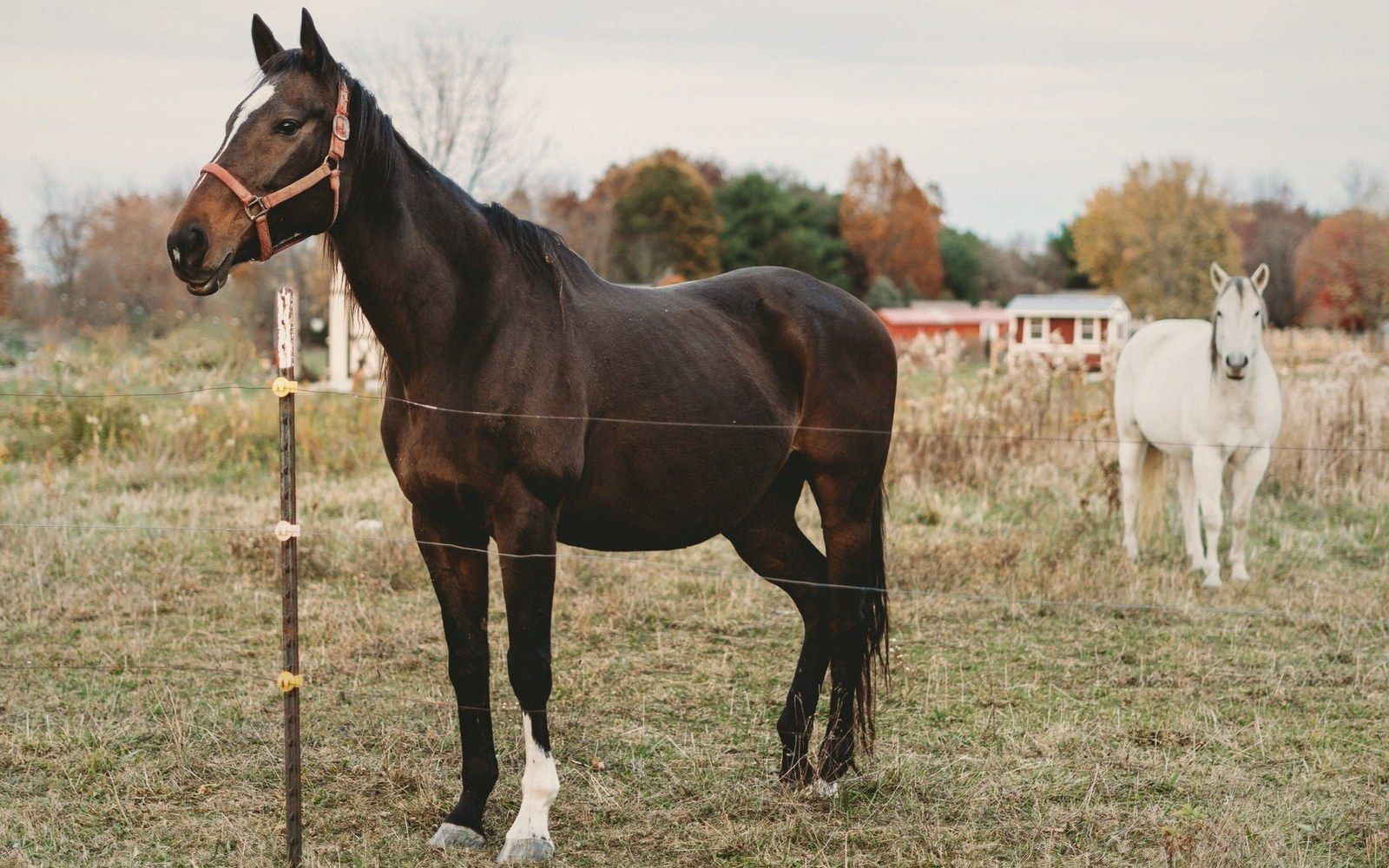
The nicker is contact at close quarters: low, soft, produced with the mouth nearly closed, and felt as much as heard. A mare uses a particular version of it with her foal; a horse may use it in anticipation of something it has come to associate with a person's arrival. The sound does not travel far, and probably is not meant to.
What each sound does
Observedlong-distance contact; carries individual identity and emotional state; produced on in- and outbreath for range
close-contact sound, mouth nearly closed, low-carrying; used between mare and foal and in anticipation contexts
agonistic; signals discomfort in close encounters; brief and sharp
forceful outbreath; associated with alertness; also recorded in positive-affect contexts
slow, soft exhalation; often read as a settling or relaxation cue
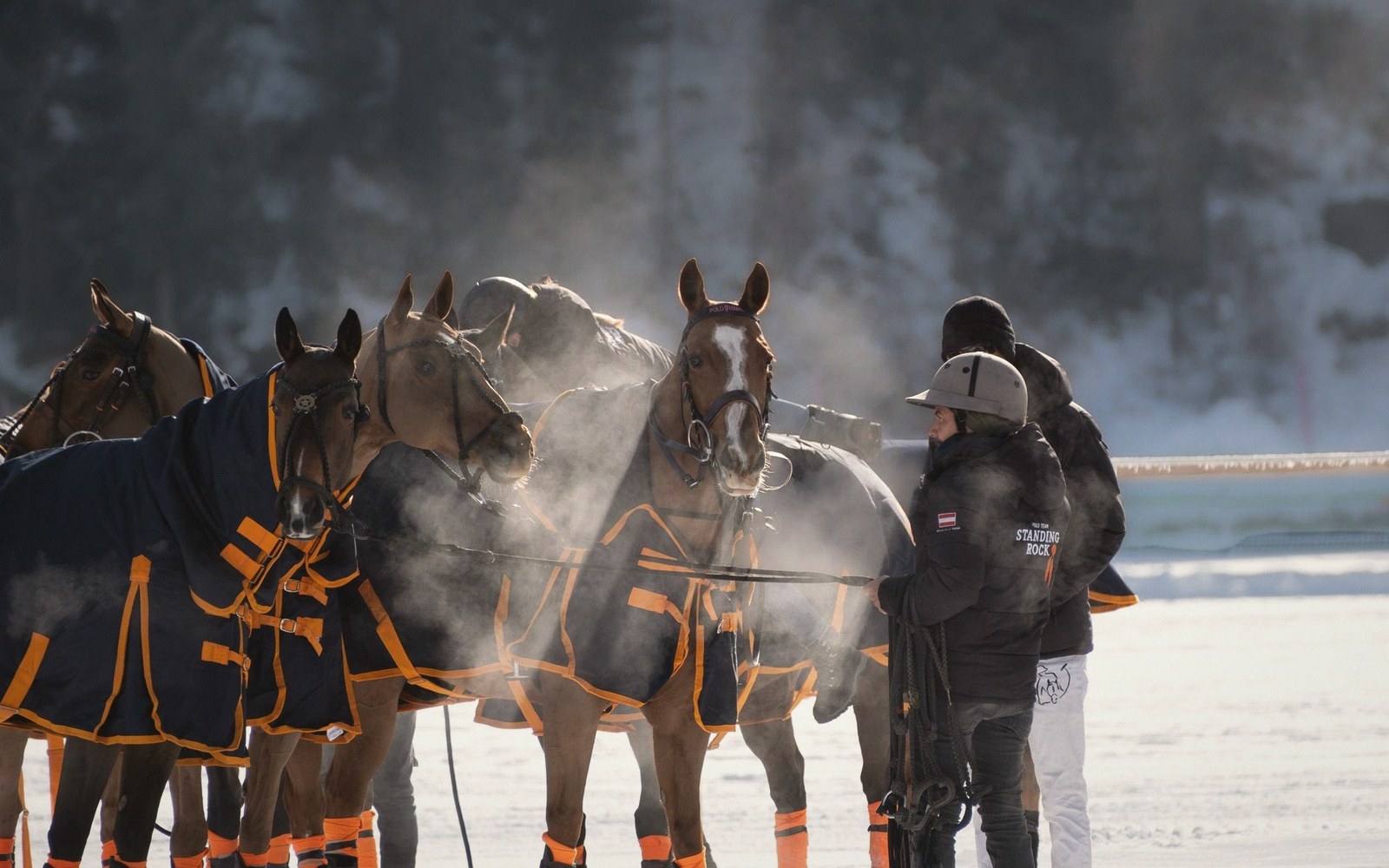
The squeal is mostly agonistic — produced during close encounters where one horse is pushing the limits of another's personal space, often between individuals meeting for the first time or challenging each other's position. It is sharp, brief and usually accompanied by postural signals that the receiver is reading simultaneously.
Snort and blow sit at the boundary between vocalisation and breath. A snort — the sharp, forceful exhalation — is often associated with alertness or mild alarm, and research has linked it to positive affective states in calmer contexts. A blow is gentler, a slow exhalation that experienced observers sometimes read as a settling signal.
The brevity of the vocabulary makes each sound more legible, not less. There is little ambiguity about what a squeal means, or a whinny at dusk in an empty field.