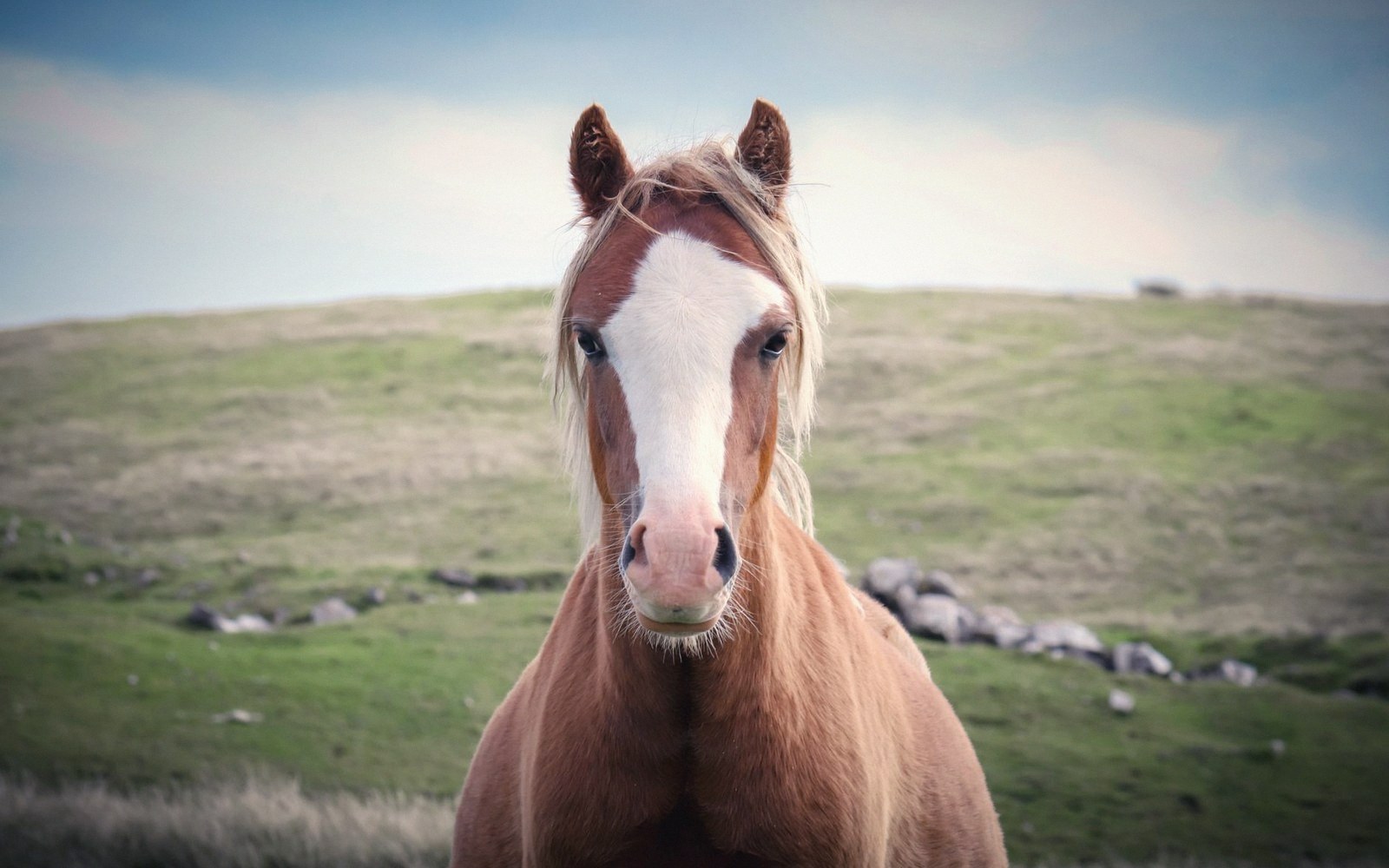
The signals a face is actually sending
A horse's ears draw most of the attention — they move conspicuously, they point, and their direction is easy to read at a distance. The face beneath them is subtler, but it carries at least as much information. In the last fifteen years, work on equine facial musculature has turned what riders and handlers long described as intuition into something that can be measured.
The key development was the Equine Facial Action Coding System, or EquiFACS, published in 2015 by a team led by researchers at the University of Sussex. Modelled on the human FACS developed by Paul Ekman in the 1970s, it catalogues discrete muscular movements — action units — that produce visible changes in the face. Horses turned out to have seventeen such action units, more than any other non-primate species studied at the time, including dogs. That is a lot of expressive machinery for an animal once assumed to have a largely inexpressive face.
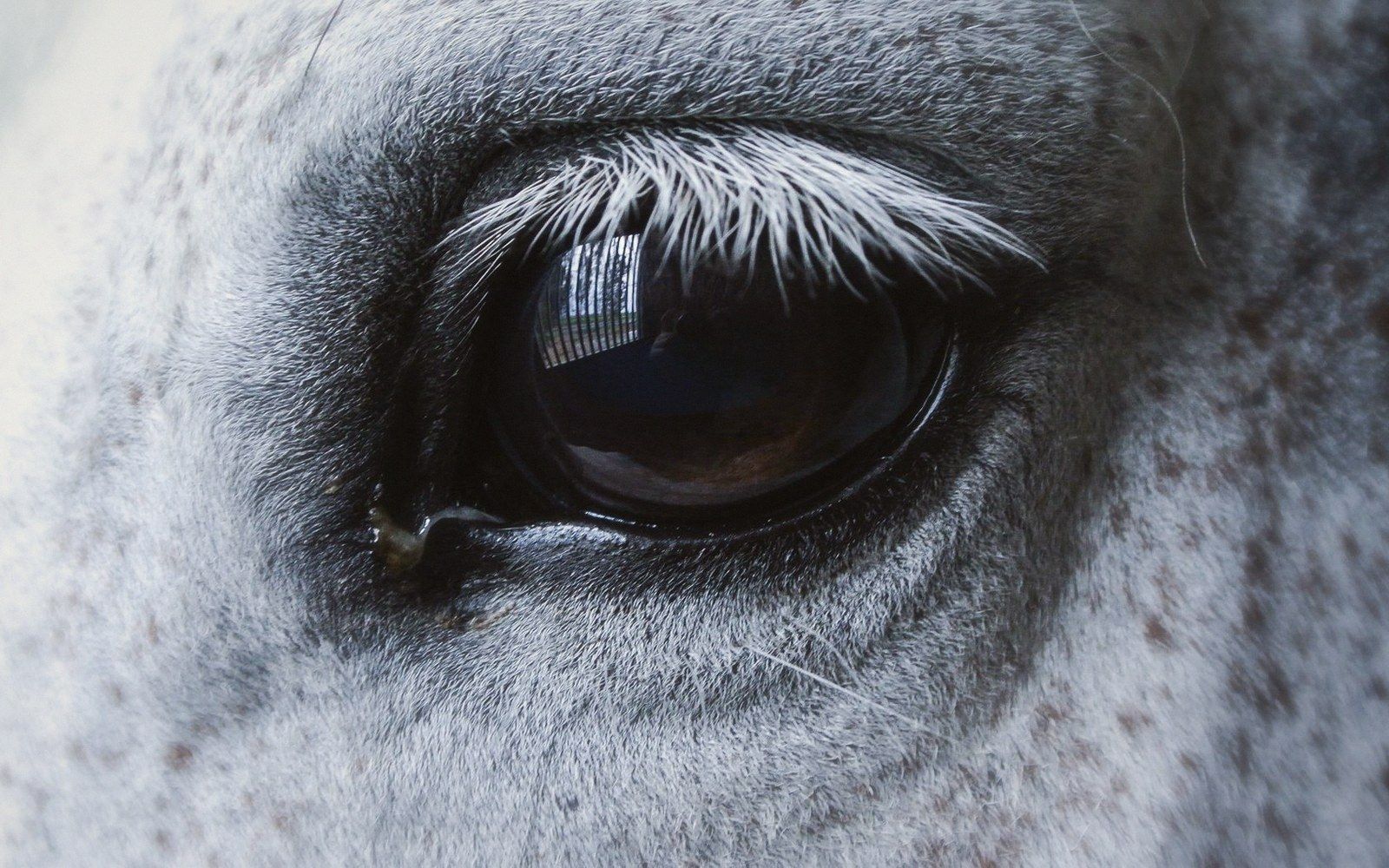
What EquiFACS confirmed is that many of the changes observers reported anecdotally have consistent muscular origins. The inner brow raise, produced by the levator anguli oculi medialis muscle, makes the eye appear rounder and the brow more vertical. It appears reliably during negative arousal states — pain, fear, frustration — and is now included in equine pain assessment tools. The eye itself changes too: the white sclera becomes more visible when the eye is widened or rotated, and a horse showing significant white around the iris is almost always in some state of heightened arousal. That is not a training artefact or an anthropomorphic projection; it is a measurable increase in scleral exposure.
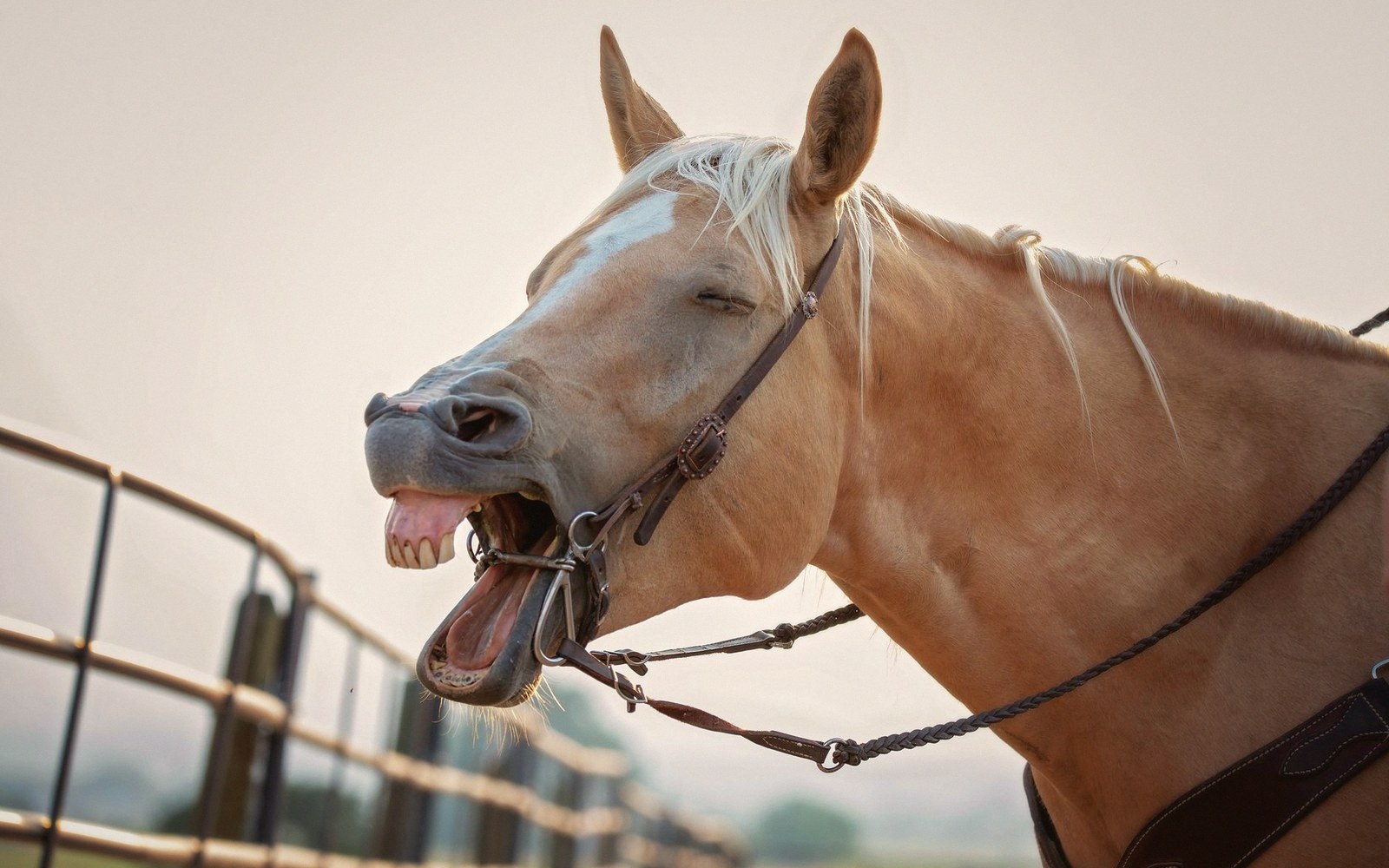
The region around the muzzle completes the picture. A relaxed horse has soft lips, a slightly loose lower jaw, and nasal passages that are not actively engaged. Tension draws the muzzle tighter; the lips thin and firm, the nostrils may flatten or pull back, and small vertical creases sometimes appear above the upper lip. These are not large movements — they are easy to overlook when attention is on the whole animal — but they are consistent across individuals in ways that repeated observation and coding work have substantiated. A horse with a soft eye and loose muzzle is in a different internal state from one with a tight muzzle and raised inner brows, and those differences are not merely a matter of interpretation.
Attention, arousal, and where to look
None of these signals exist independently of the whole animal. Posture — the height of the head, where weight is distributed, whether a hind leg is resting — tells you about the background level of engagement before the face adds its detail. The face is the fine grain. A head held high with a tight muzzle and visible sclera is a different message from a high head with a soft eye and forward-relaxed ears; the postural component is shared but the facial component diverges, and together they tell you more than either does alone.
Horses also read each other's faces. Research using eye-tracking methods showed that horses, like humans and some other social mammals, look more at the left side of a conspecific's face when assessing emotional state — a response called the left-gaze bias, also documented in dogs. The left side of the face is controlled by the right hemisphere, which in many vertebrates has primary responsibility for processing intense or negative emotion. Whether horses are explicitly reading specific features or responding to something more diffuse remains an open question, but the directional preference itself is real and replicable.
The practical implication — to the extent there is one that stays on the observational side — is that the face is worth looking at slowly and systematically rather than as background. The eye and brow region and the muzzle are the most informative areas. Changes are often small and fast; they build context rather than announce states. A single tightening of the muzzle means less than a pattern of tightening in a particular location or with particular company. Horses are not broadcasting everything they experience, and they are not hiding it either. The signals are there. They require the same kind of patient, repeated observation that any honest ethological reading demands.
Tension draws the muzzle tighter; the lips thin and firm, the nostrils may flatten or pull back, and small vertical creases sometimes appear above the upper lip.