The antenna the horse cannot hide
A horse's ears are pointed, independently mobile, and slaved to attention — which makes them one of the most legible signals on the animal, to other horses and to anyone willing to read them.
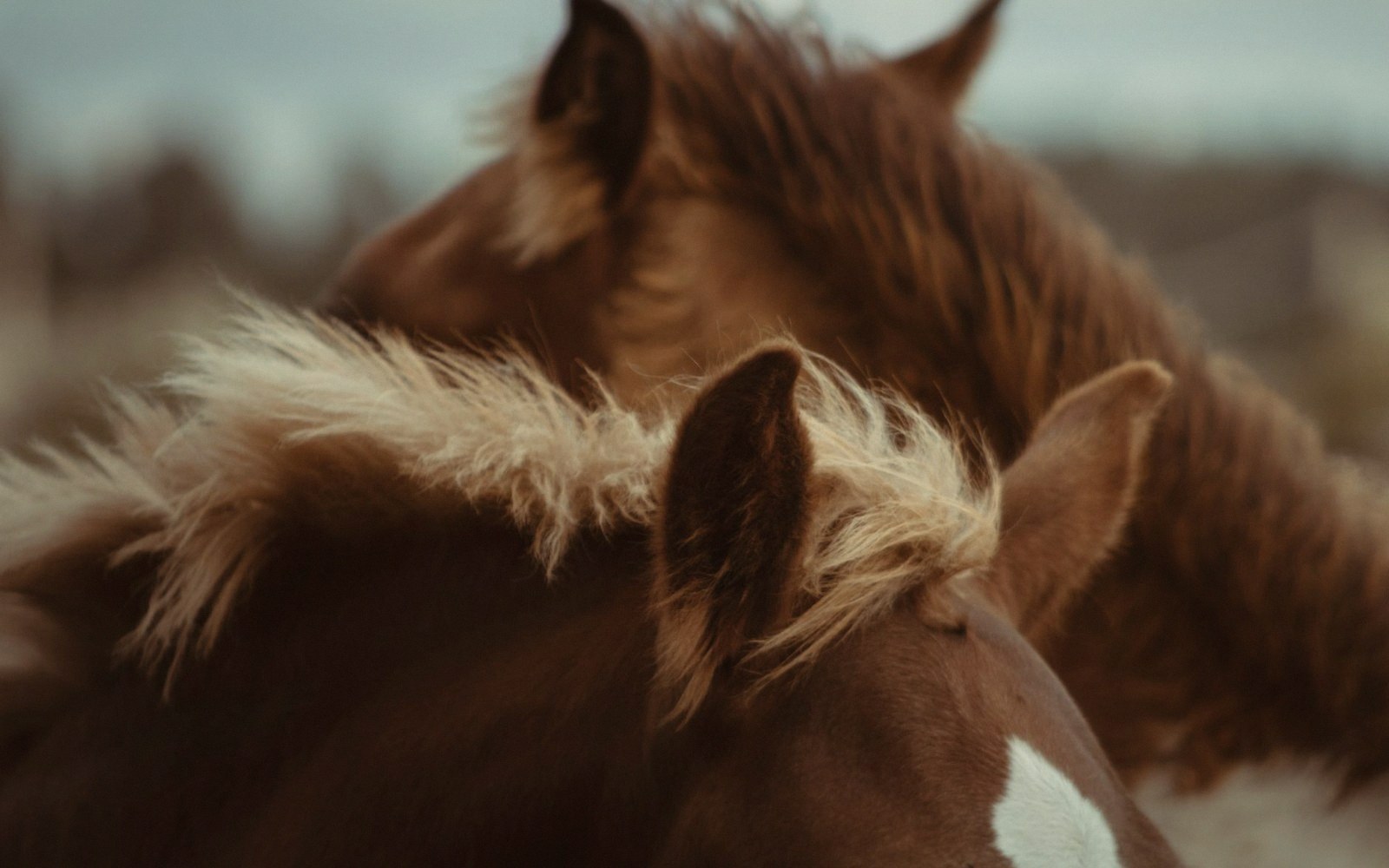
Each ear rotates through roughly 180 degrees on its own axis, driven by a set of ten muscles per ear (compared with three in a human). That independence matters: the ears do not have to agree. One forward, one back is not a mixed signal — it means the horse is genuinely tracking two things at once, holding each in a separate ear. Watch the direction of each ear individually rather than treating them as a pair, and you see a real-time map of divided attention.
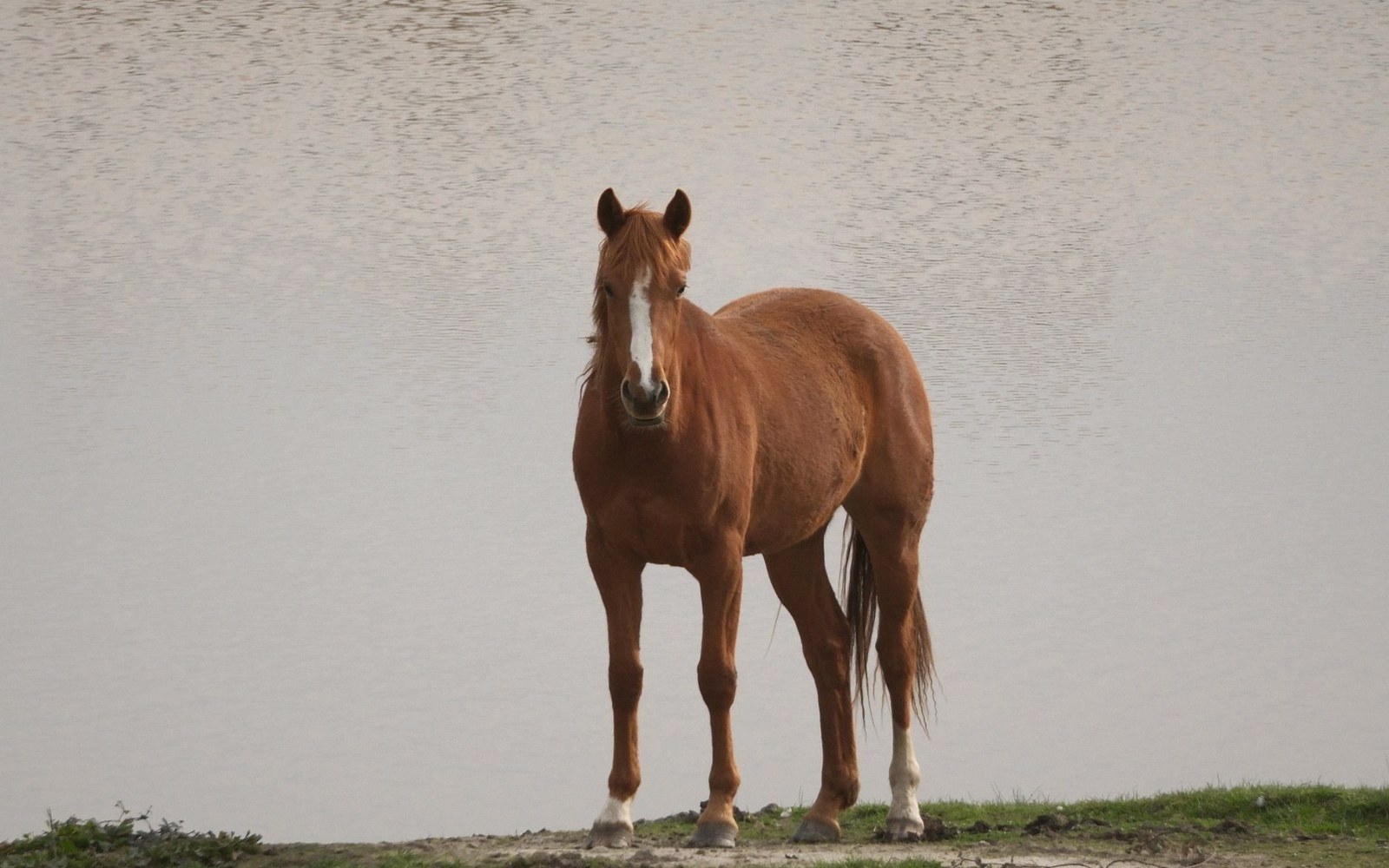
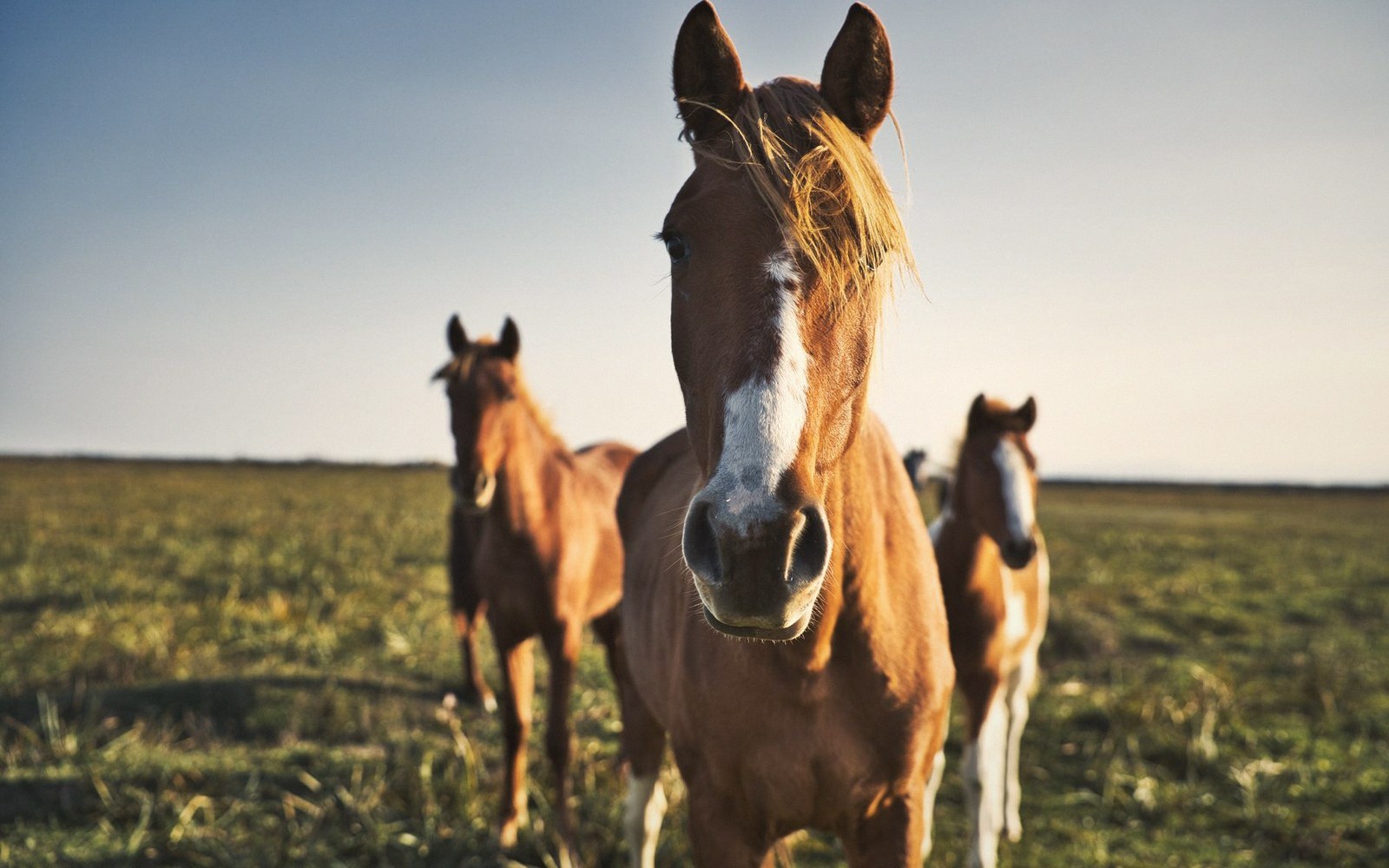
When both ears cup forward together, the horse has found something worth concentrating on in front of it. This is often misread as alarm, but it is more precisely orientation: the animal is gathering information. If the ears stay forward and the head lowers, curiosity is probably winning over caution. If they stay forward and the head rises while the nostrils flare, the balance is shifting the other way.
Ears pinned flat against the skull — genuinely flat, tips almost disappearing — are unambiguous. Threat, discomfort, or escalating aggression; the facial muscles that draw the ears down also tend to tighten the area around the eye and compress the muzzle, giving the whole face a hard, closed look. The facial coding work that has been done on horses in the past decade has helped confirm what handlers have long read intuitively: the ear posture is part of a cluster, not a standalone signal.
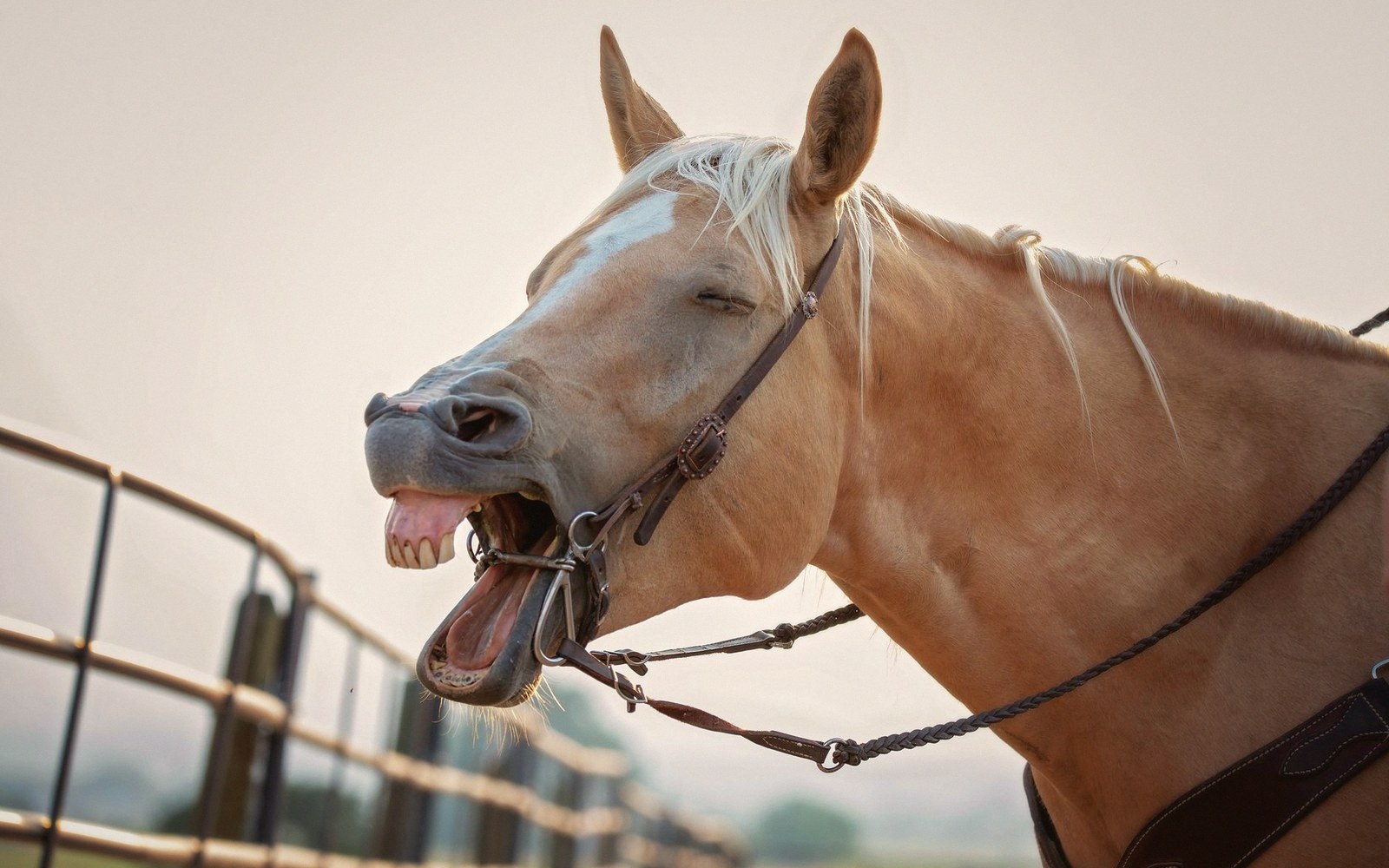
Ears held loosely to the side and slightly back, drooping rather than pinned, tend to go with rest, drowsiness, or the particular relaxation of a horse being groomed by another. The difference between drooped and pinned is obvious once you have looked for it — pinned involves muscular effort and tension; drooped is the opposite, a giving-up of tone.
What the ears signal — a quick reference
Observedintense orientation; information-gathering, edge of caution
curiosity, relaxed investigation
divided attention; tracking two separate sources
rest, drowsiness, passive relaxation
monitoring the person behind; not inherently threatening
threat or escalating aggression; read alongside the whole face
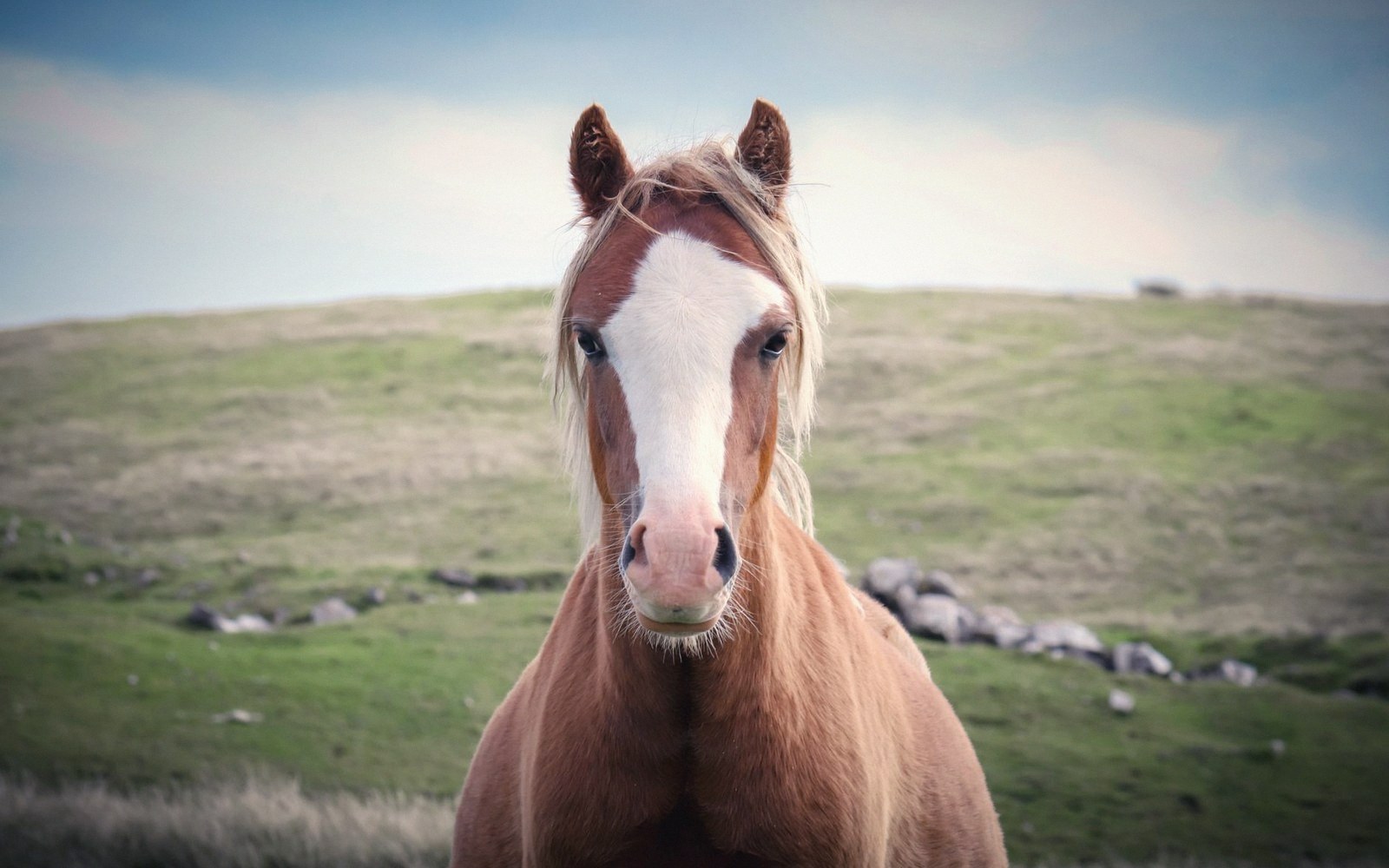
The backward sweep that worries people most is often the one that means least threat. An ear angled back toward a rider or handler behind the horse is simply tracking that person. It is monitoring, not warning. Context decides: a single soft ear rotated back while the rest of the body stays quiet is attention; both ears pinned hard while the hindquarters load is something else entirely.
What makes ears especially useful is their speed. Because they operate on reflex-level latency, they often shift before the rest of the body commits to anything. A horse that has begun to organise a spook will usually show the ears well ahead of the startle — forward and locked onto the object of concern, sometimes with a micro-pause in movement. The ears, in other words, can give earlier notice than almost any other part of the body.
Research on feral and free-ranging horses has shown that conspecifics — other horses — track the ear direction of herdmates as social information, using it to orient their own attention. A horse looking at a hidden food source will cause nearby horses to look in the same direction, and the ears appear to be part of the cue package they are reading. The signal is involuntary on the sender's side and actively used on the receiver's.
That involuntary quality is worth sitting with. A horse can learn to hold its body still, to suppress tail swishing, even to moderate its movement around a trigger. The ears are harder to manage. They go where the attention goes, and the attention goes where it goes. For anyone trying to understand what a horse is actually perceiving at any given moment, the ears are as close to a direct readout as the animal provides.