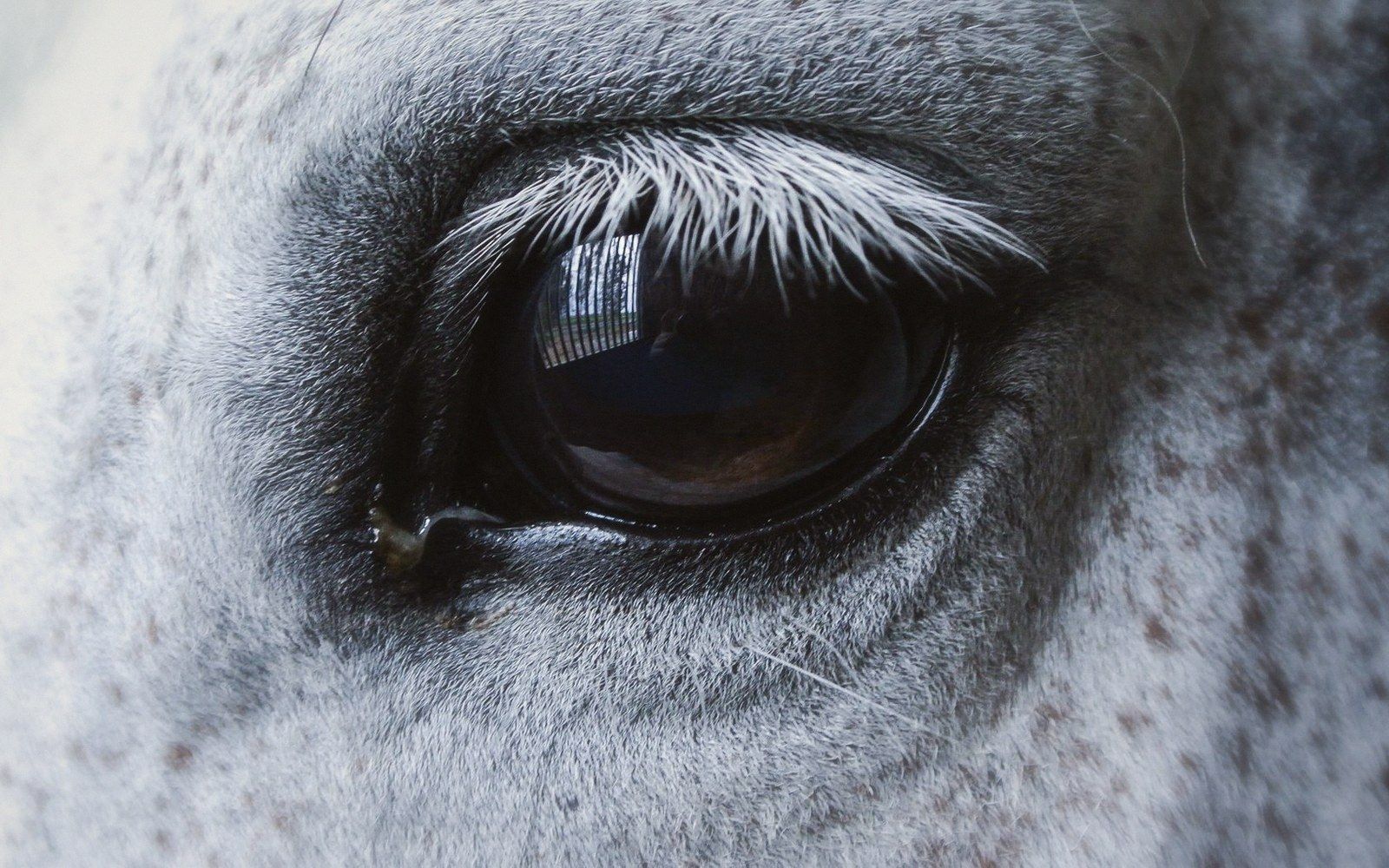
Most writing about horses is instructional. It tells you what to do, and it assumes the animal is a means to an end. This site does something narrower: it describes how the animal works — what it can see, how fast it responds, what it learns and how it lives with others — and then stops.
Observed, then inferred
Every entry keeps two things apart. What was observed: the anatomy, the measured response, the recorded behaviour. What was inferred from it: the intention, the emotion, the social structure. The first is usually solid. The second is where most of the popular account of horses lives, and it is far less settled than the confidence of the telling suggests.
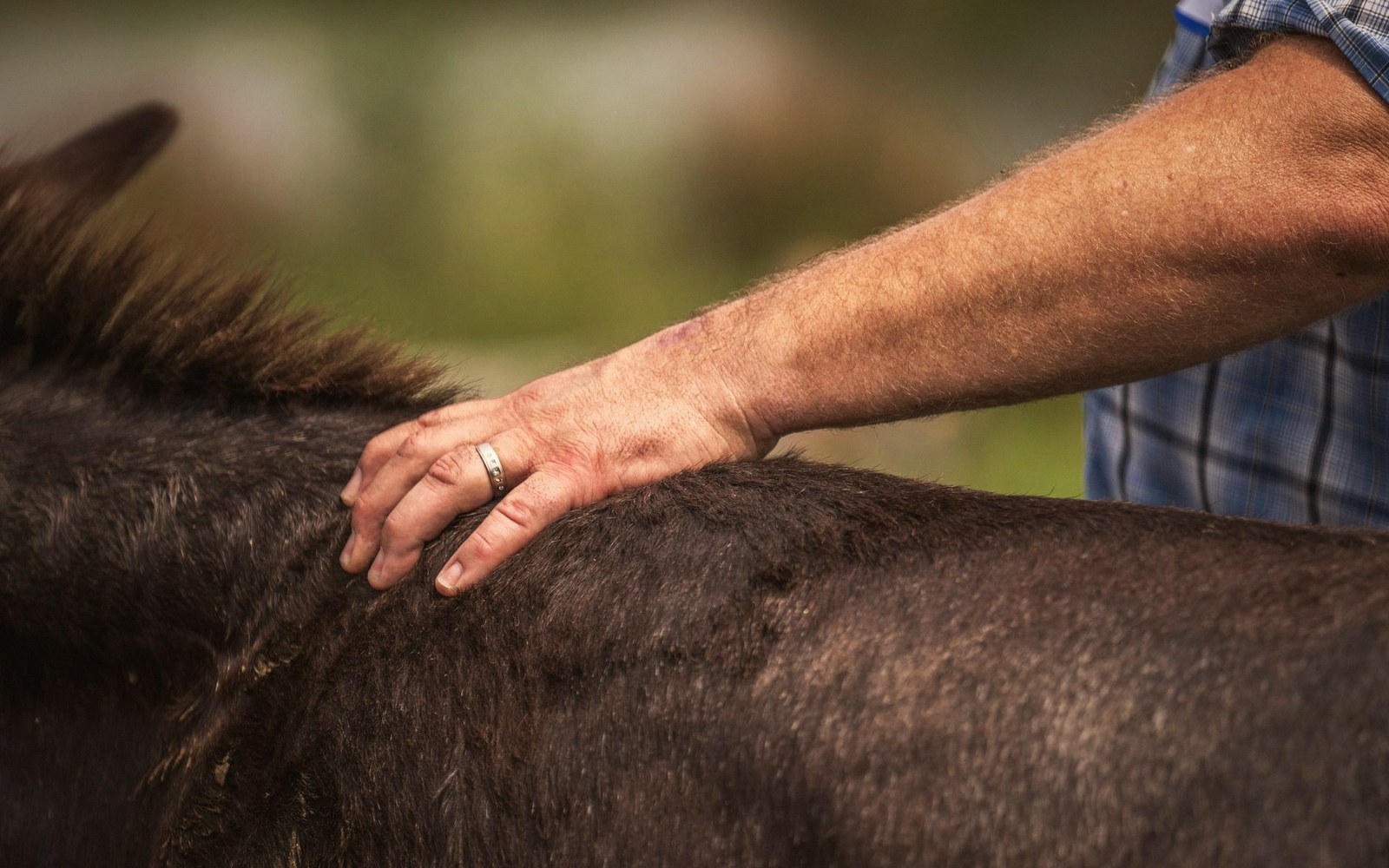
So each page carries a plain marker for where its evidence stands. Settled means the finding is not in serious dispute. Partly open means the direction is agreed and the numbers are not. Open means the claim is widely repeated and weakly supported, and the entry explains why it is still here.
The clearest case is the dominance hierarchy. It is the most familiar story about how horses live together, it is drawn as a ladder in a great many books, and field studies of free-ranging bands do not produce that ladder. Rather than quietly dropping it, this site keeps it in a section of its own and says what the observations actually show.
What is deliberately absent
There is no training, riding, handling or veterinary content here. No methods, no exercises, no corrections, no tack, no feeding, no health. That is not modesty about the subject; it is a boundary that keeps the writing honest. The moment a page starts recommending an action it stops describing an animal and starts describing a technique, and techniques are where the evidence thins out fastest.
There are also no dates on this site, and no named practitioners. The material is the published literature on equine vision, cognition and social behaviour, and it is cited by what it found rather than by who is currently fashionable.
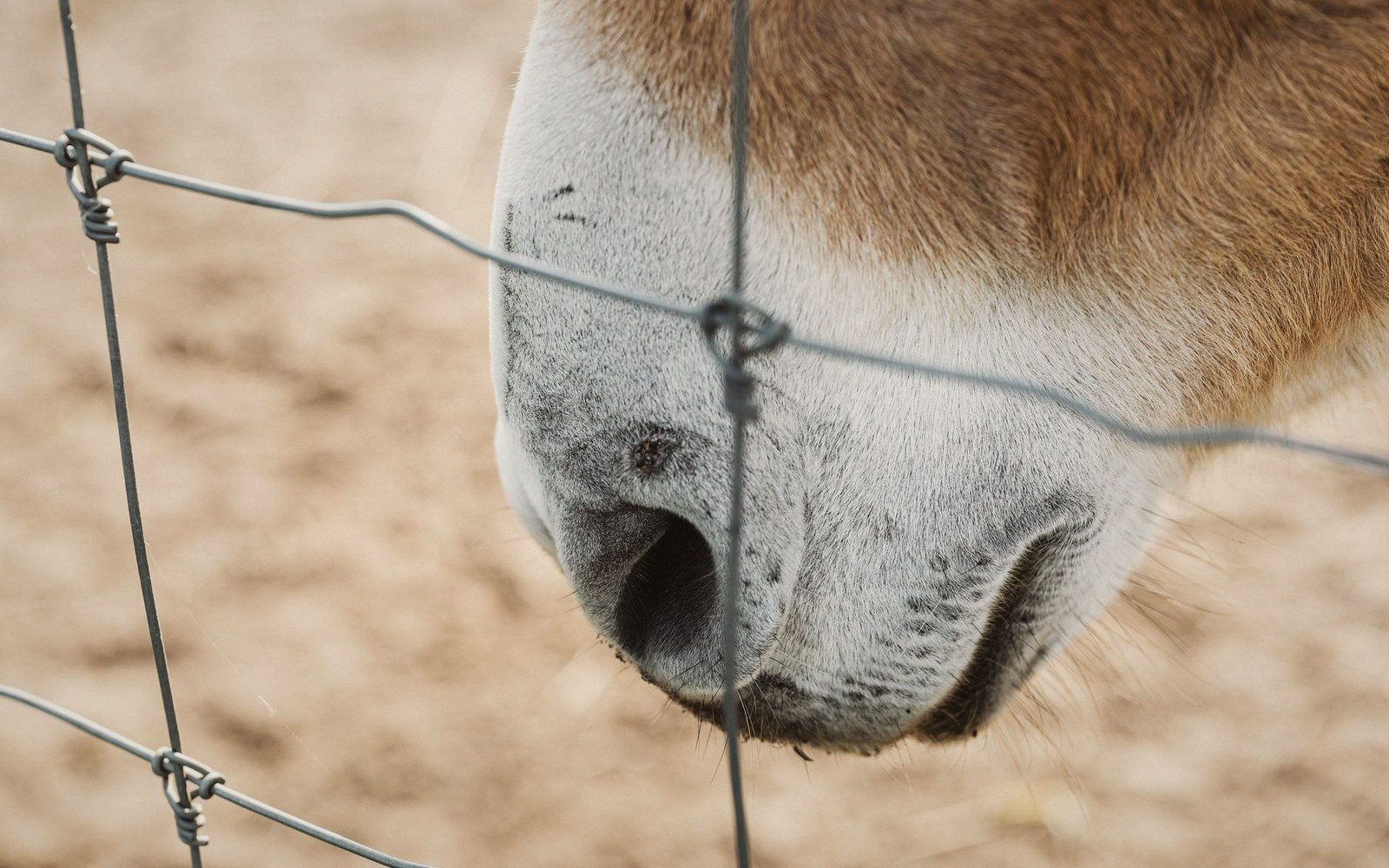
The photographs
The pictures are real photographs of real animals and the people around them, credited individually beneath each figure. They are chosen for what they show rather than for how they flatter: an ear turned back, a muzzle at ground level, a group holding its distances in a field.
If you want to know what to do with a horse, this is the wrong site, and that is by design.