The whole body speaks before the face does
A horse broadcasts its internal state across every part of its frame simultaneously — head height, weight distribution, which hind foot is cocked. Reading posture means reading all of it at once, not as a checklist but as a single, integrated signal.
Head height is the most immediate indicator. High and rigid means arousal: something has attention, the neck muscles are braced, and the animal is in a state of active assessment. Low and swinging, with the lower lip occasionally slack, signals a quite different internal state — low arousal, relaxed muscle tone, minimal alertness. The critical distinction is between a head that is low because the horse is grazing or drowsing and one that has dropped below the usual resting position with the eyes partly closed; the latter, combined with slowed breathing, is the picture of genuine rest.
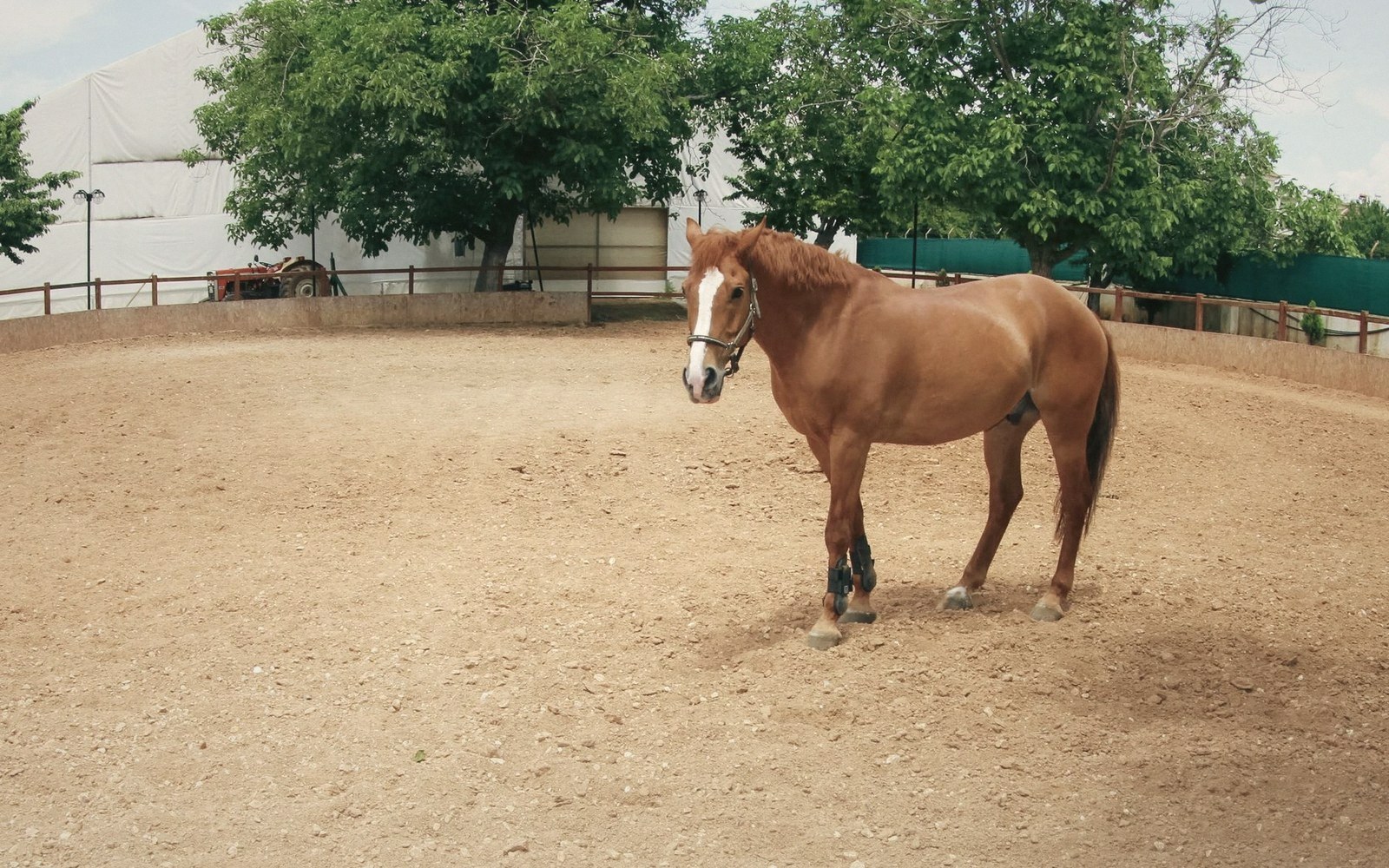
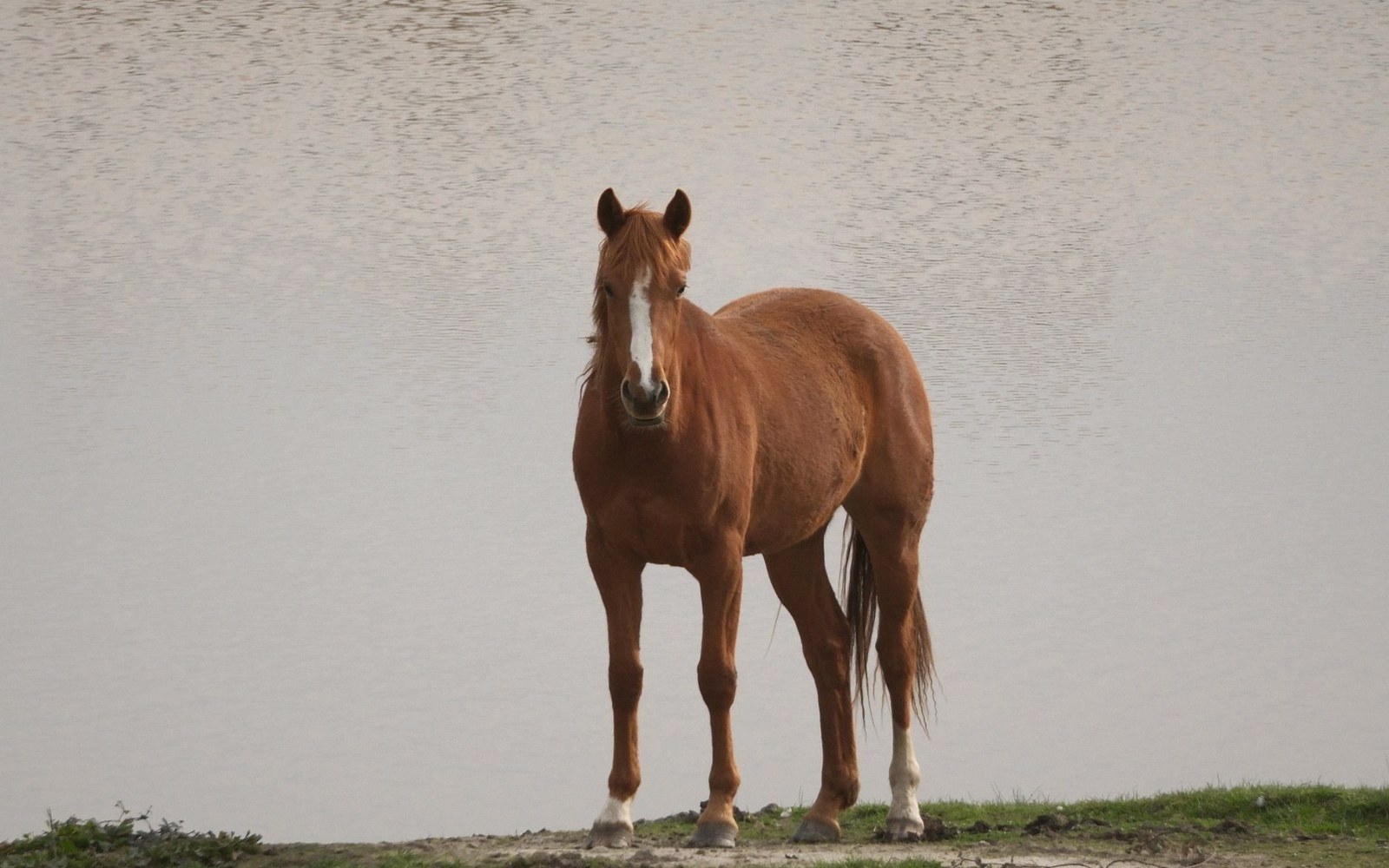
Weight shift is less dramatic but equally informative. A horse that has moved its mass toward its hindquarters has freed its forequarters — and a freed forehand is a forehand ready to move. The animal is not yet moving, but the geometry already points toward departure. Conversely, a square, evenly loaded stance with no obvious preparation reads as settled, committed to staying put.
The resting hind foot — one hind cocked, fetlock dropped, hip lowered on that side — is among the clearest indicators of comfort available to an observer. It requires muscular relaxation that is simply incompatible with sustained vigilance. A horse cannot hold that posture and simultaneously be preparing for flight. What looks like a trivial detail is actually a reliable physiological signature.
These signals compound one another. The resting foot combined with a lowered head and slack lower lip is a very different picture from the resting foot combined with a high, mobile head and active ears — the first is genuine ease, the second is a horse that is resting its body while its attention is elsewhere entirely. Context resolves what individual signals leave ambiguous: posture is a system, not a series of separate facts.
What looks like a trivial detail is actually a reliable physiological signature.