The climb-down that takes longer than the trigger
The startle itself is over in milliseconds. What follows it is not.
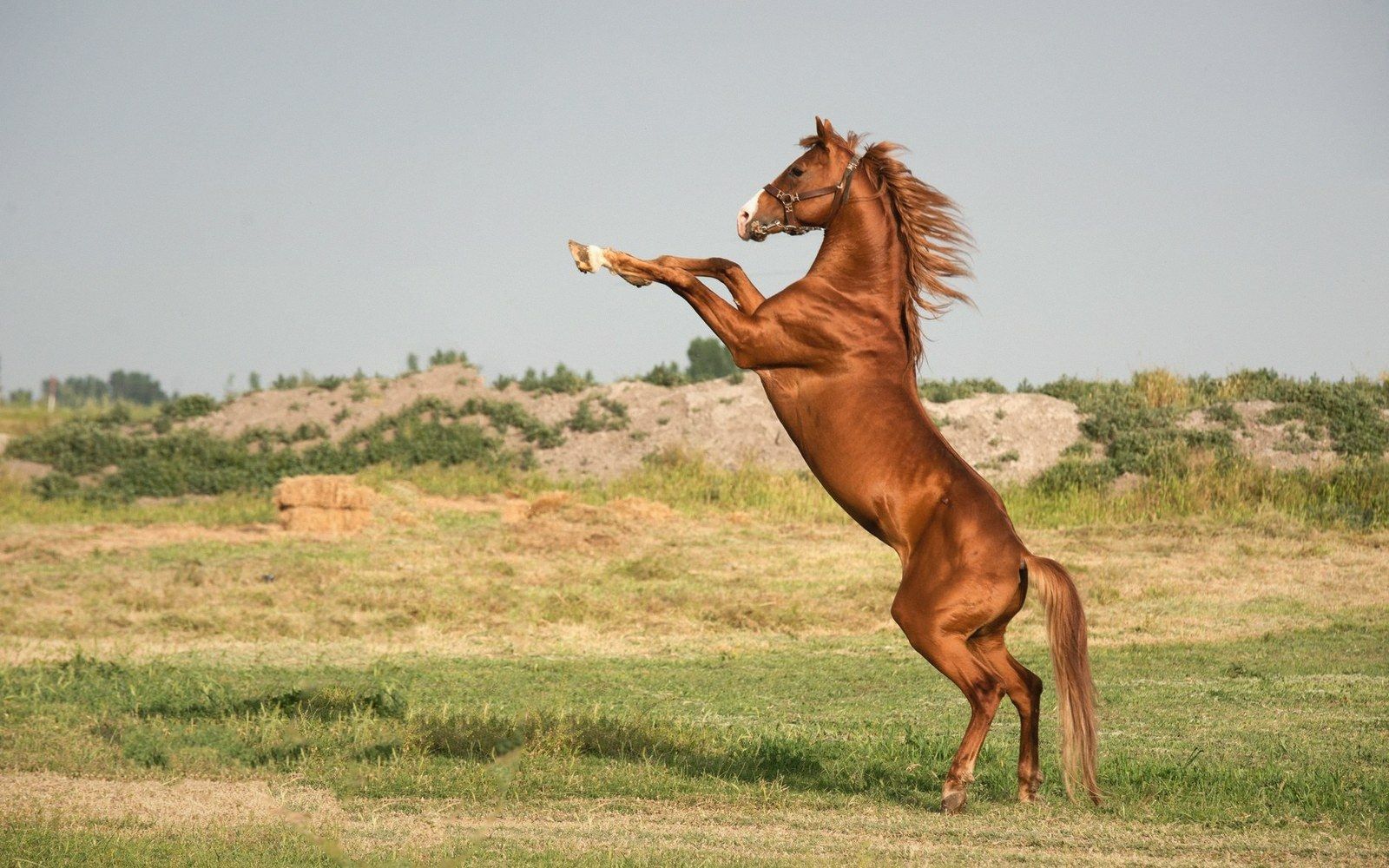
When a horse is startled — a plastic bag lifted by wind, a bird flushing from grass — the sympathetic nervous system fires. Cortisol and adrenaline enter the bloodstream. Heart rate climbs. Muscles prime for movement. All of that happens before any deliberate assessment is possible, because it is not a deliberate process. It is a reflex, shaped over millions of years on open ground where waiting to think was occasionally fatal.
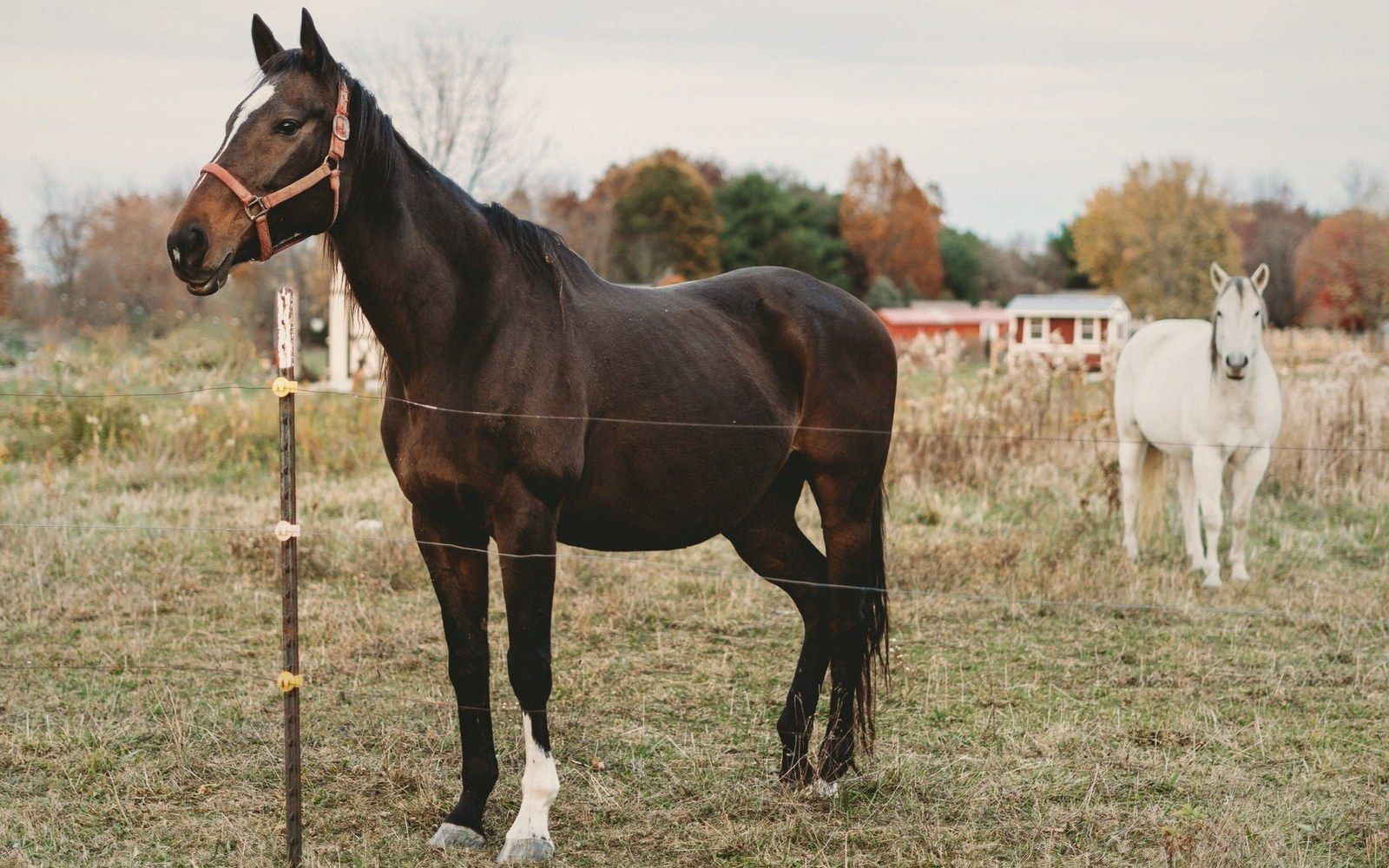
What the reflex cannot do is switch itself off at the same speed. The hormones that surged into the blood must be metabolised. That takes time — measurable, biological time that is not shortened by the threat disappearing. Research on equine stress physiology consistently shows that heart rate can remain elevated for several minutes after the triggering stimulus is gone, and cortisol can stay above baseline for considerably longer. The animal may look quieter; the internal state is not yet quiet.
This gap between visible behaviour and internal state matters enormously for understanding what horses actually experience. A horse that has stopped moving, dropped its head and resumed grazing may still be physiologically wound up. Another stimulus arriving during that window does not land on a neutral animal — it lands on one already partway up the arousal curve. The response to the second event can be disproportionate to what the second event, in isolation, would produce.
What the body does
Observedthe branch of the autonomic nervous system that drives the fight-or-flight response; not under voluntary control
a stress hormone measurable in blood and saliva; used in research as an index of arousal and recovery
a loose but useful shorthand for the graded continuum from calm baseline to peak activation
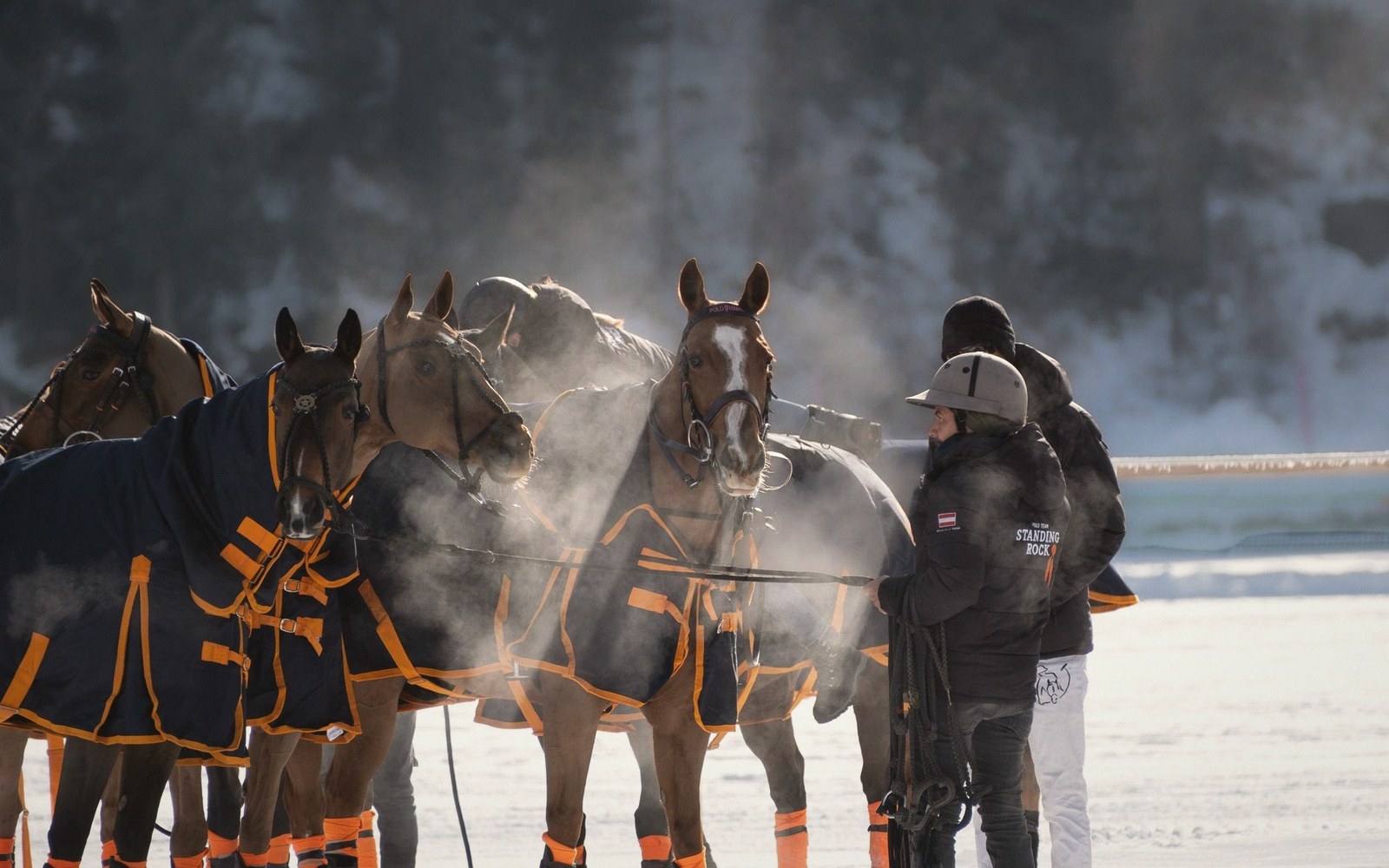
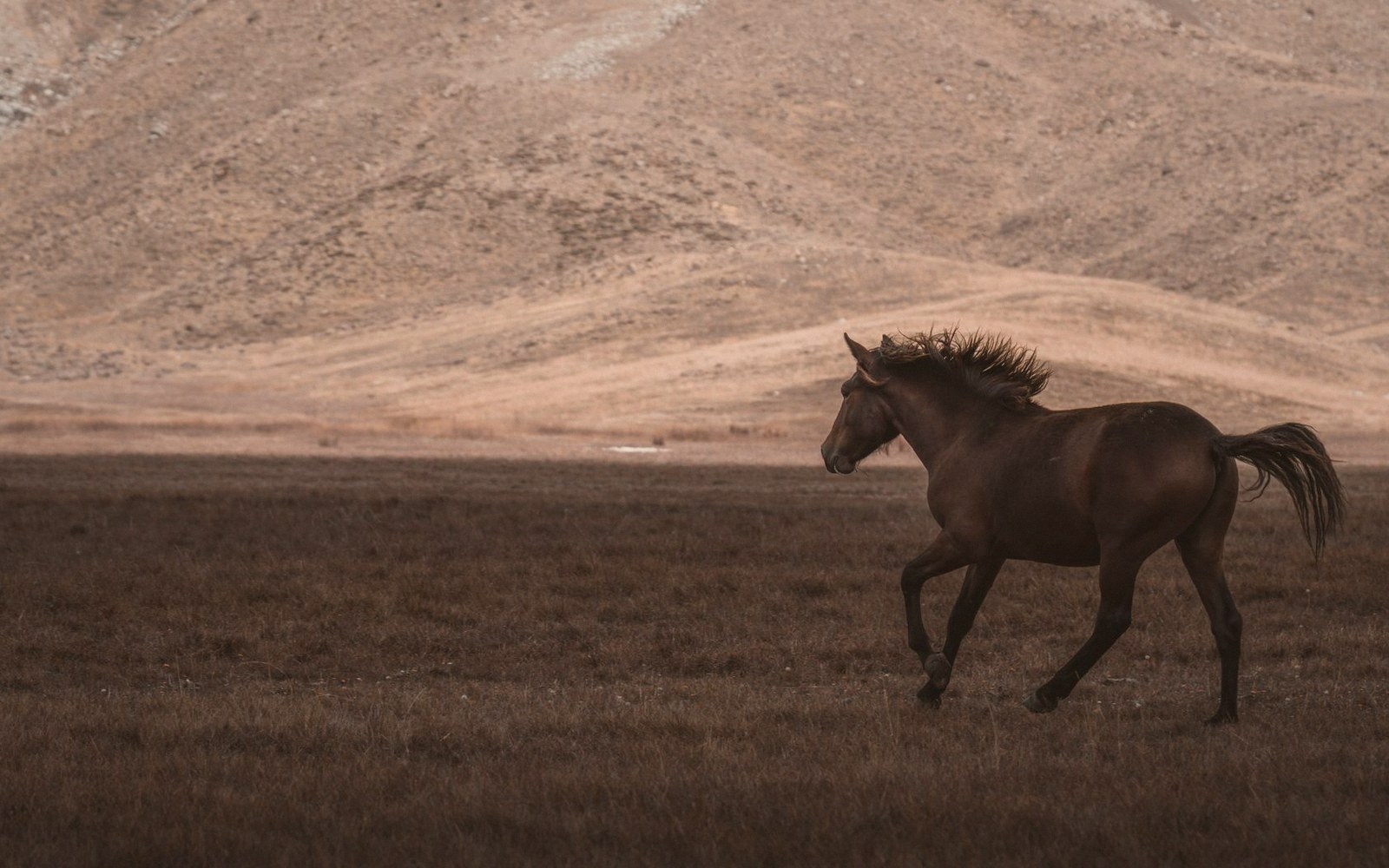
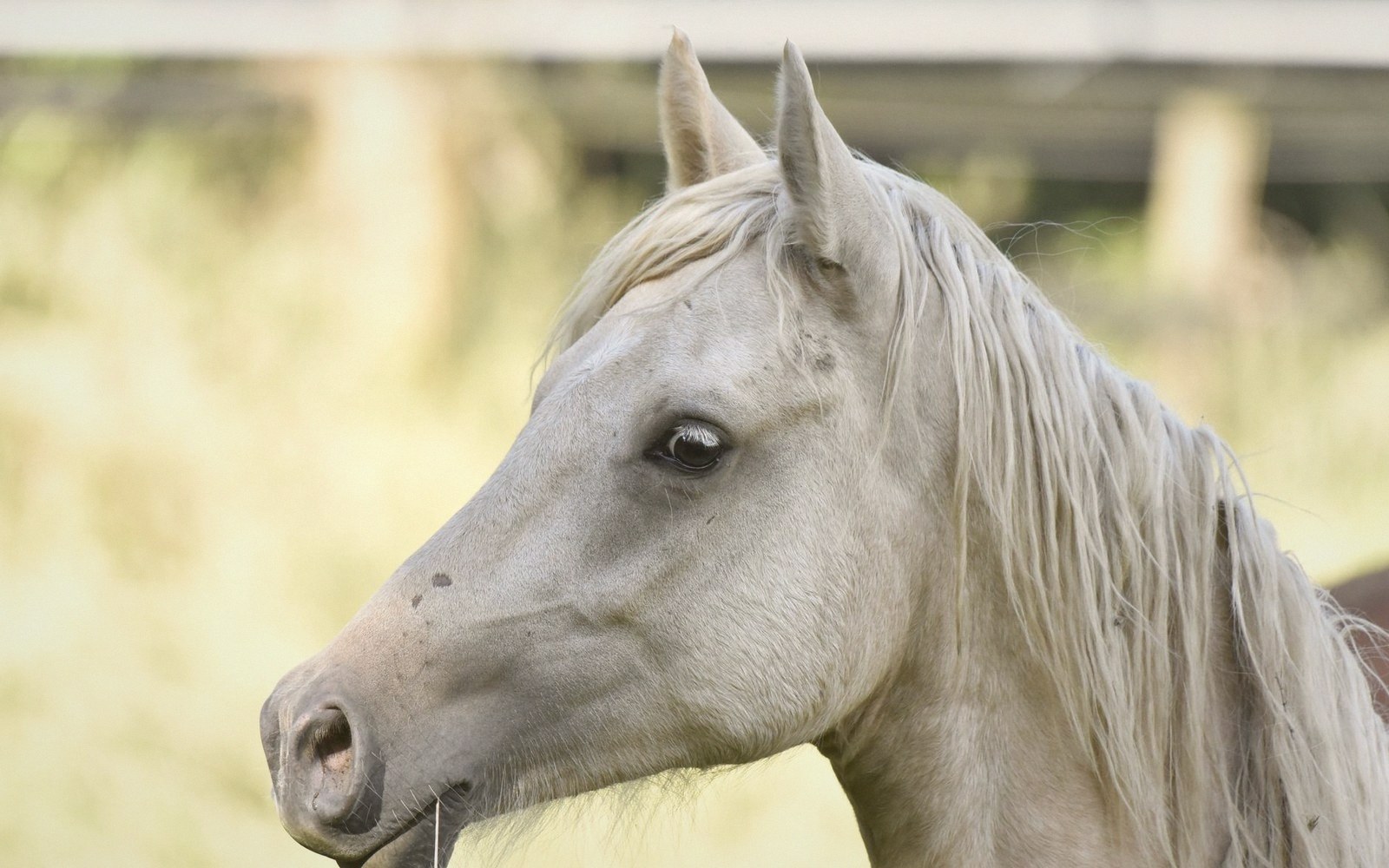
The practical consequence follows directly from the biology. Horses are not being dramatic or wilful when they are jumpier than usual for a stretch after something alarmed them. They are in a state where the settling is genuinely incomplete. In feral and free-ranging horses observed in natural conditions, the post-startle period often involves continued scanning — ears working, head periodically lifting — even while the body re-engages with grazing. Vigilance and apparent calm are not mutually exclusive; they are commonly simultaneous.
Habituation works over a different timescale. Repeated neutral experience with a stimulus gradually lowers the baseline response — but that is a learning process across many encounters, not something that happens within a single arousal event. The settling after a startle draws down the immediate spike; it does not compress what habituation requires.
How long settling takes varies with the individual, the intensity of the original trigger, and the ambient conditions — a familiar field with herd mates present is a different context from an unfamiliar one alone. But the direction is consistent: the climb-down is always slower, often far slower, than the climb.