The geometry of the close view
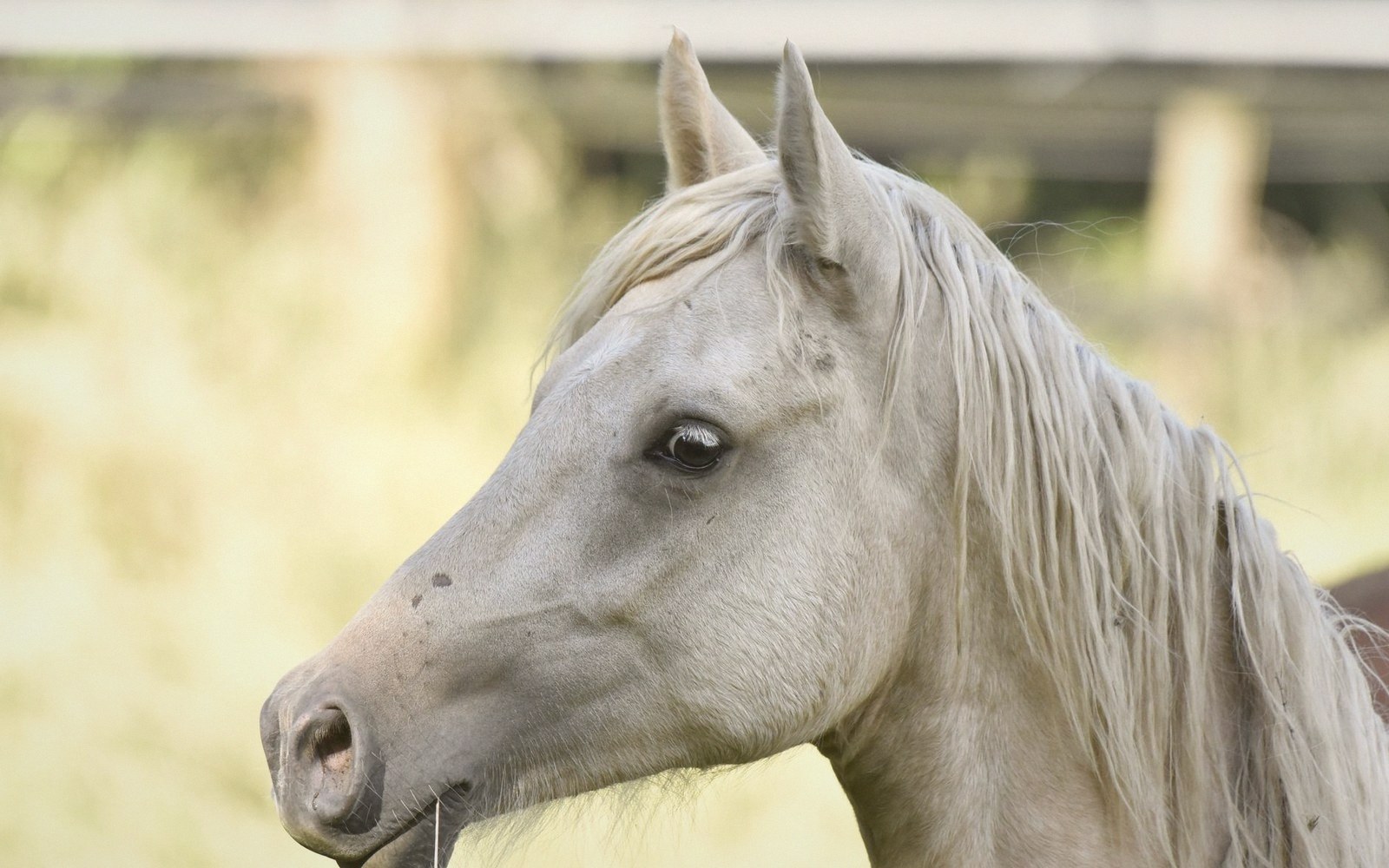
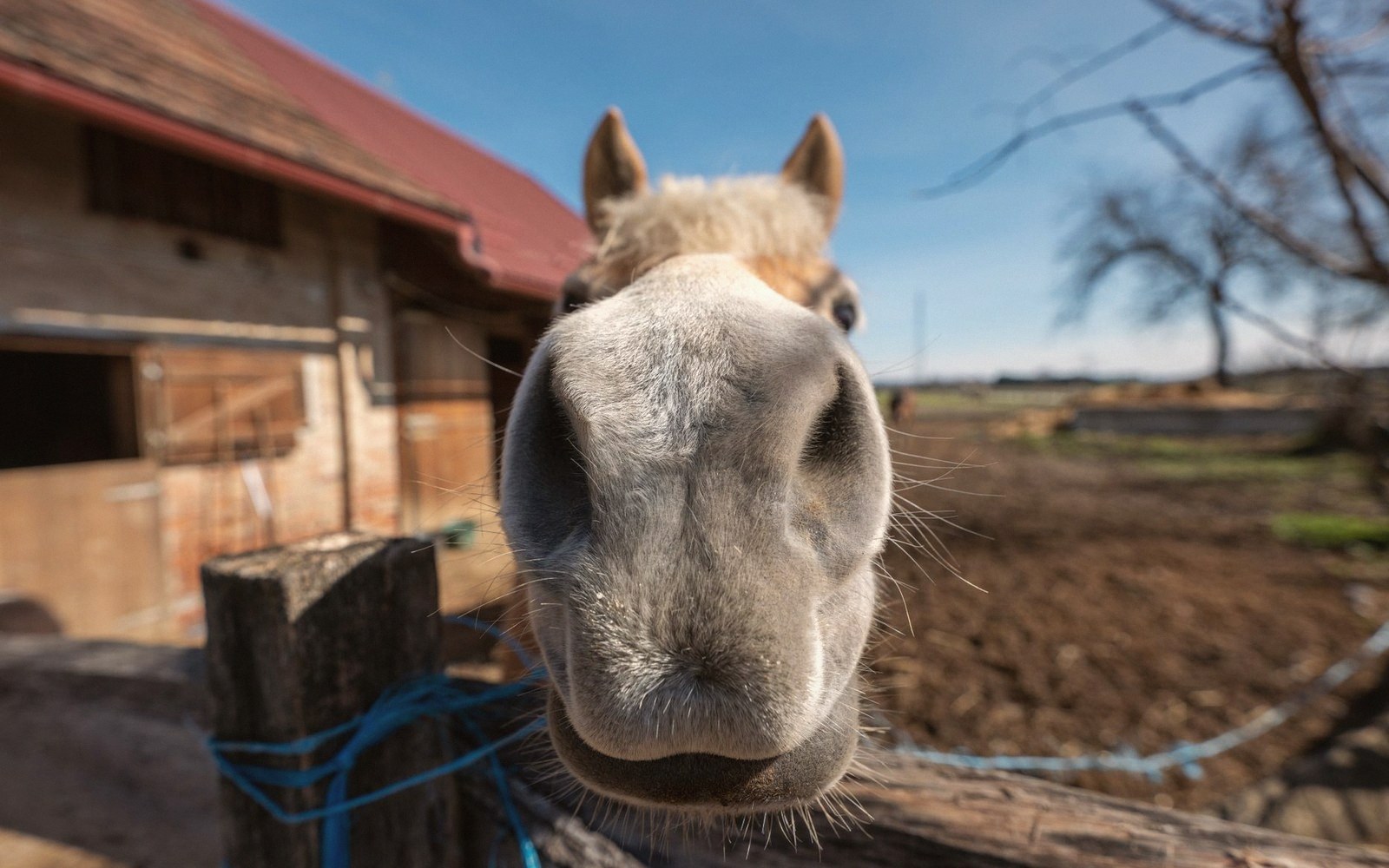
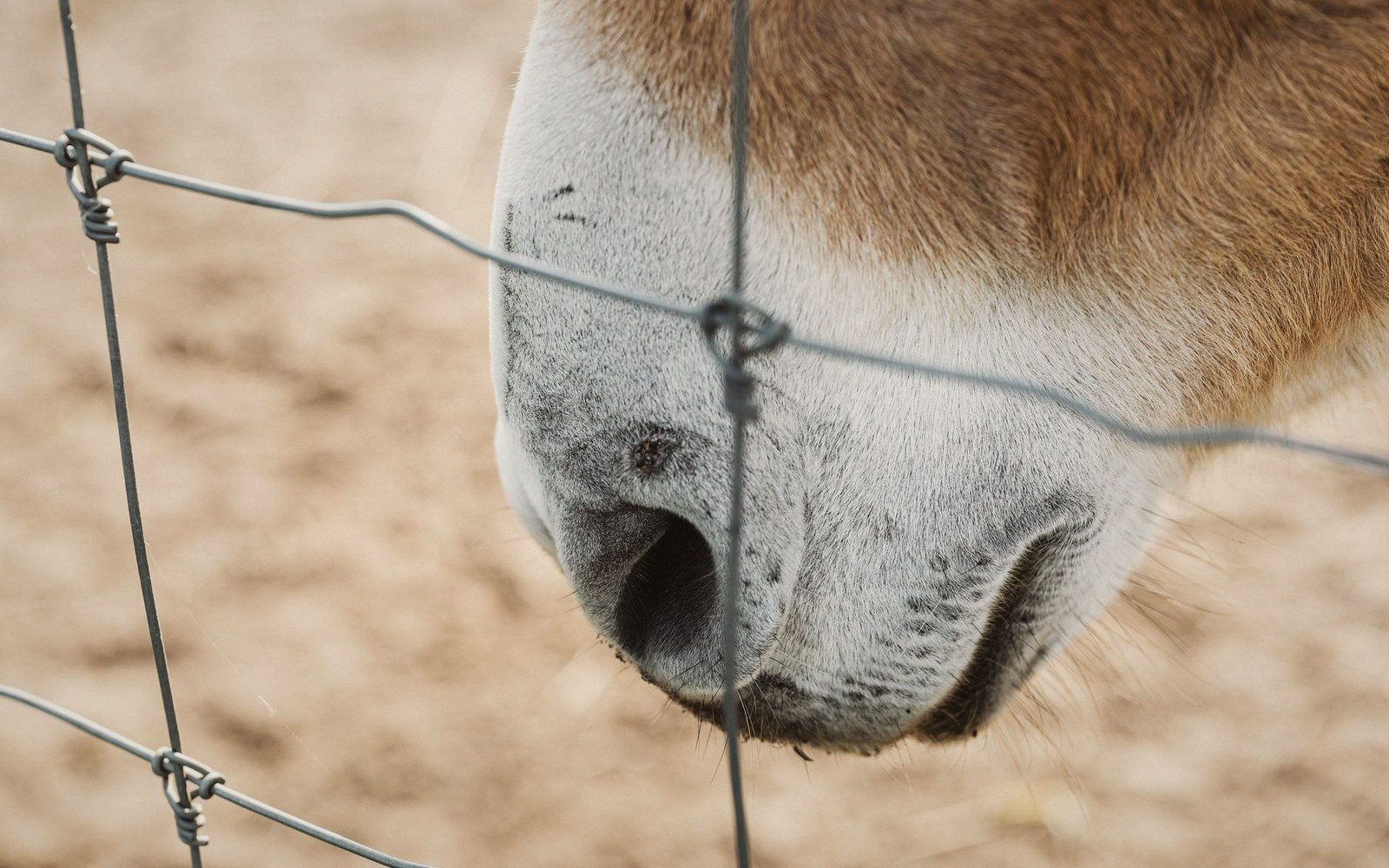
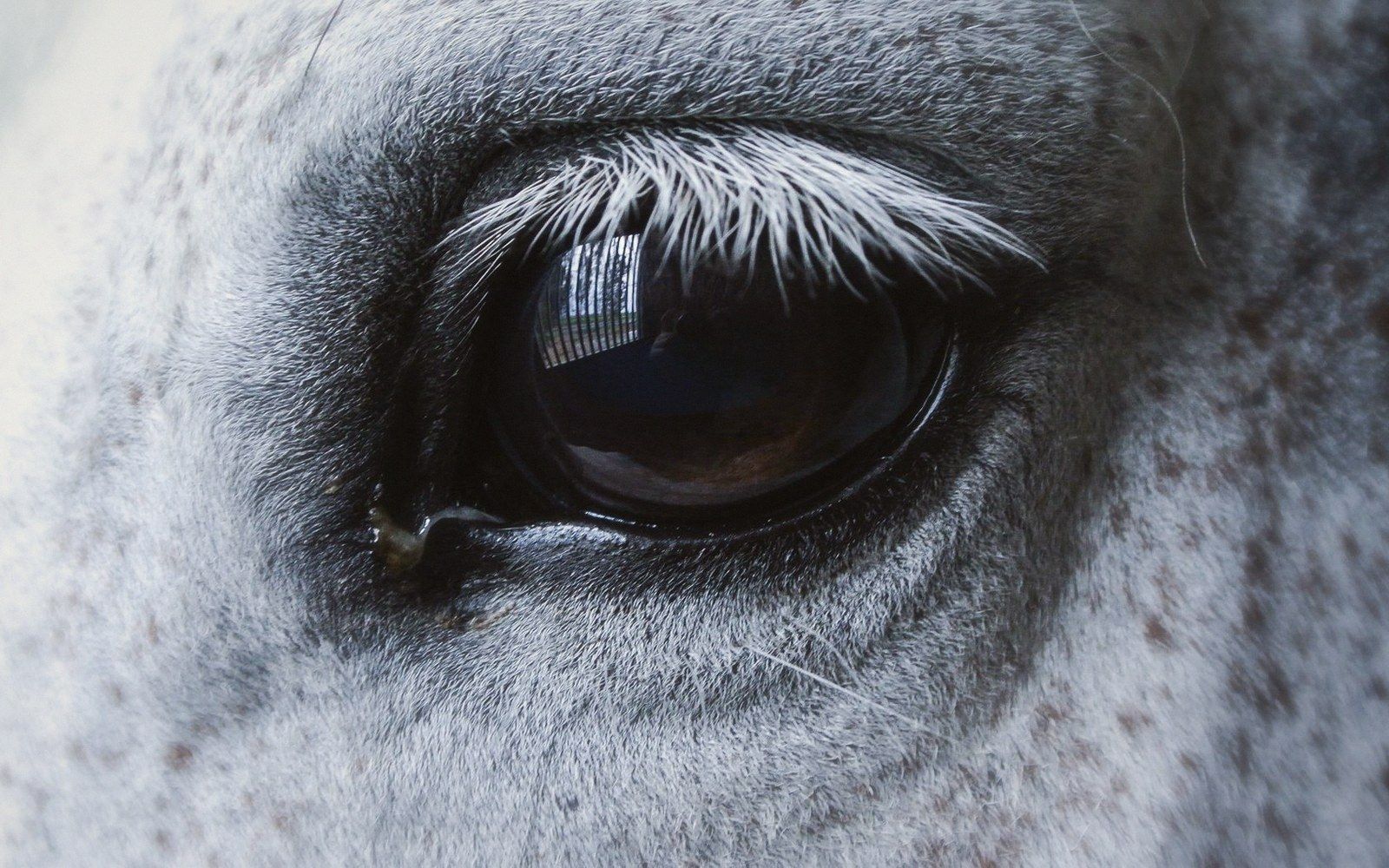
A horse's eyes sit to the sides of a broad, flattened skull. That placement buys nearly panoramic lateral coverage, but the geometry turns awkward at short range. The blind area directly in front of and below the muzzle begins roughly at muzzle level and extends forward: anything within about a metre of the nose, centred on the midline, simply disappears from view. A horse investigating a low object has to tilt its head sideways or lift and turn its muzzle to bring that object into one eye's field.
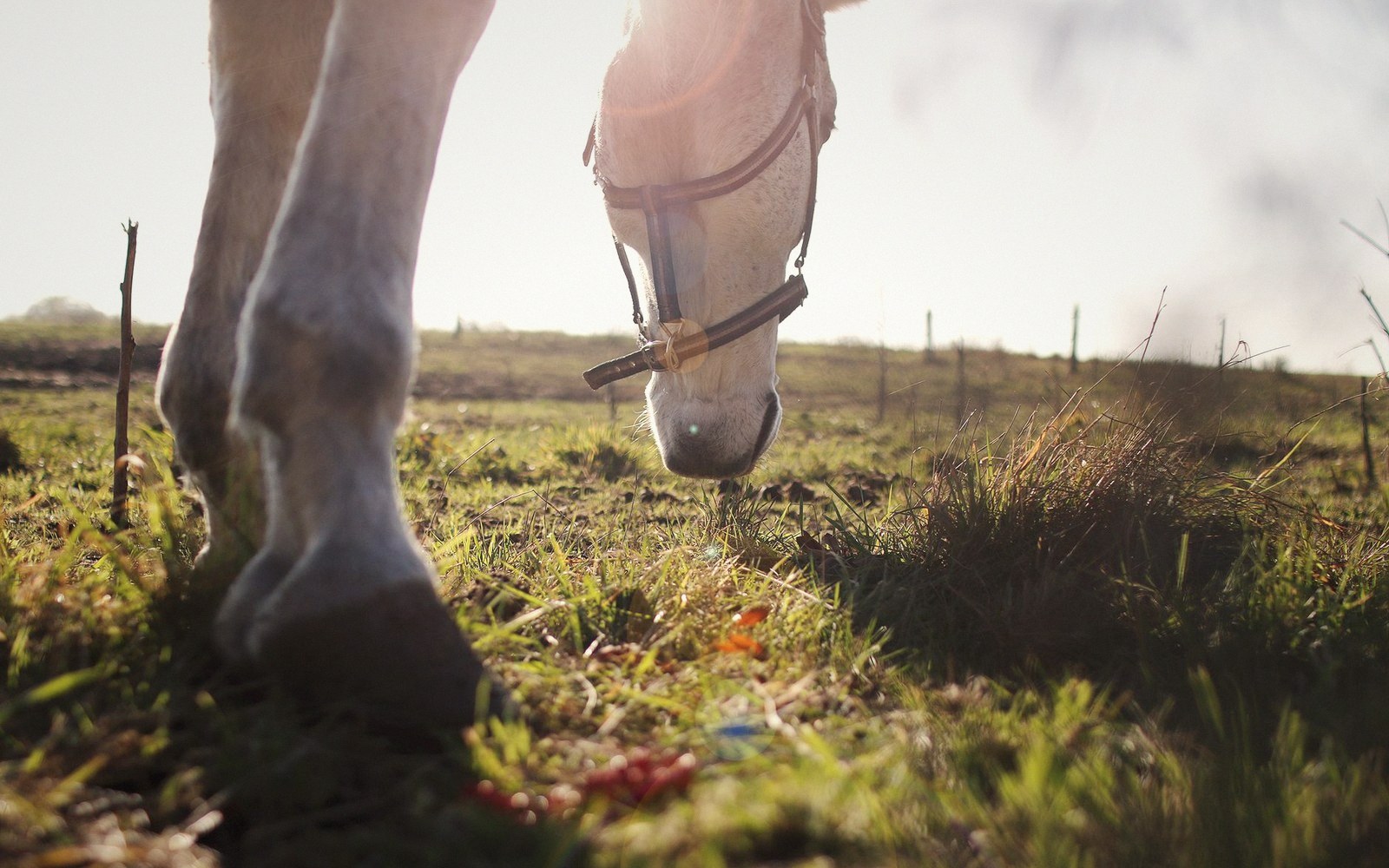
What is less often appreciated is that an object does not need to be at the muzzle to be lost. As a horse lowers its head to graze, raises it, turns fractionally, or shifts its weight, the angular geometry between eye and object changes. Something that was at the edge of one eye's field a moment ago may now fall inside the forward blind zone — or slide behind the head entirely — without the horse or the object changing position dramatically. The object has not moved. The world has not changed. The horse has simply reached a viewpoint from which that thing no longer exists in its visual field.
This matters because it is easy to read the consequence — a sudden startle, a sharp lift of the head, a sideways step — as an overreaction to nothing. From outside, nothing happened. From inside the horse's visual geometry, something real did: an object reappeared. Re-entry into the visual field can carry the same salience as first appearance, particularly for an object with the silhouette or movement quality of a potential threat. The startle that follows is a reflex, not a theatrical response, and its trigger is entirely coherent given how the horse's optics work.
The geometry in numbers
Observedcentred on the midline, begins at muzzle level and extends roughly 1 metre forward; expands as the head lowers
roughly 190–195° each, with limited binocular overlap in front
lowering by 30–40° measurably shifts which parts of the forward zone are occluded
The same principle applies when a horse is eating from a bucket or examining something on the ground. Concentration draws the head down; the close-focus blind zone widens relative to the surroundings; a person standing still a short distance away can quietly slip out of view. When the head comes back up, that person is, in functional terms, a new arrival.
None of this requires a horse to be especially reactive or poorly settled. It is a straightforward consequence of where the eyes sit — a feature of the design, not a flaw in the individual.