The accidental curriculum
The aim might be to introduce a bucket, a new sound, a person in unfamiliar clothing. What actually gets recorded is a cluster: this object, yes, but also the light through that doorway, the smell of something nearby, the particular quality of tension in the air. Association does not filter for the intended element. It binds whatever was present, in proportion to how salient each thing was at the time.
This is not a flaw. It is the same mechanism that lets a horse learn a water source from a single visit, or recognise a companion's call at distance. Broad, fast, sticky learning is good policy for an animal whose survival once depended on not needing a second warning. The cost is that the accidental details can carry as much weight as the intended ones — sometimes more, if they were more conspicuous.
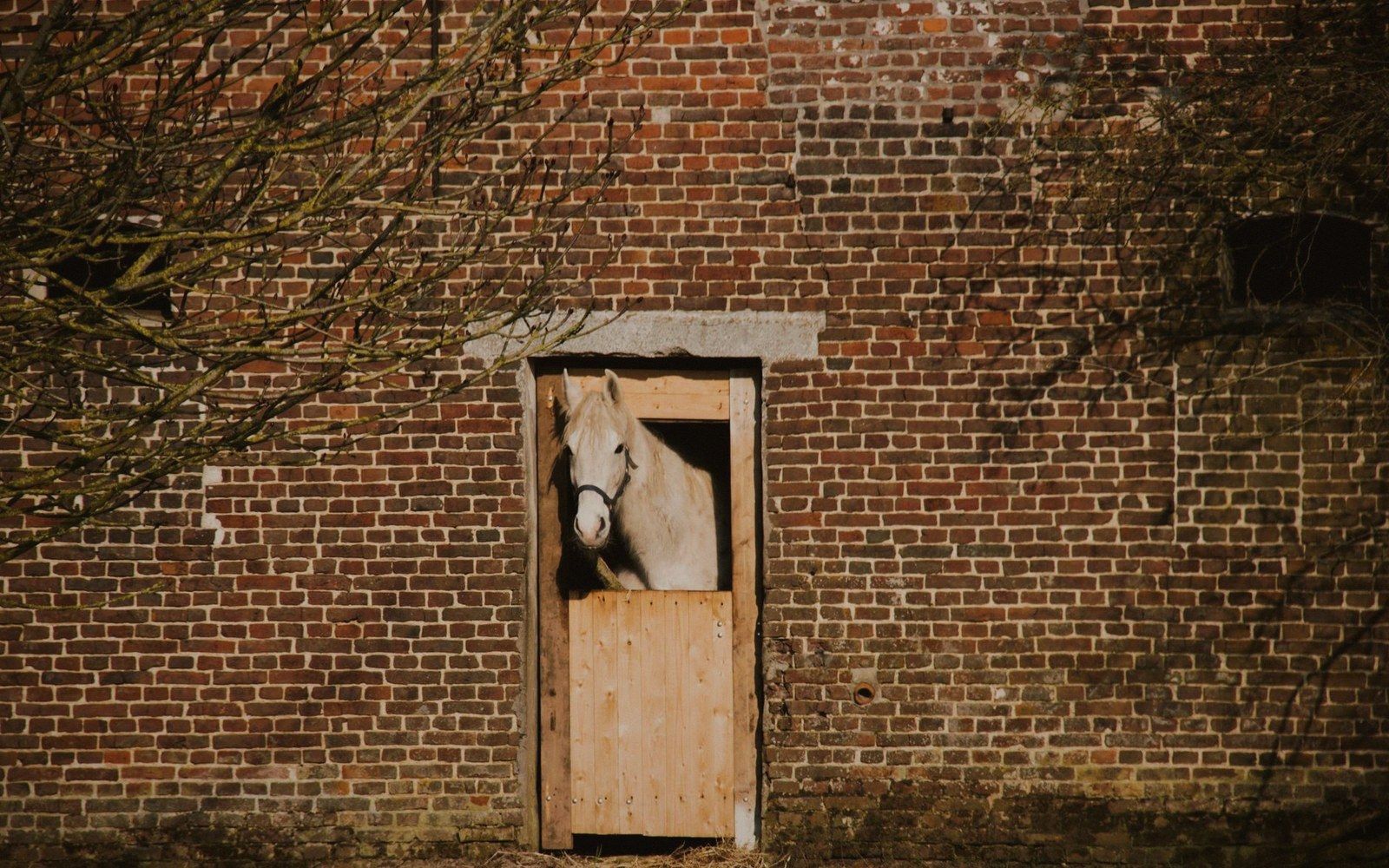
Timing is the other axis. What gets linked is not what follows the target event but what coincides with it, within a window of seconds. A sound that arrives a moment too late is not filed with the event it was meant to accompany; it is filed with whatever was happening when it appeared. The association forms anyway — just not the one anyone planned.
What to pull out
ObservedAssociation binds what is present, not what is intended — timing and context count as much as the target element
a cue that arrives late is filed with the wrong event
same knowledge, different retrieval cues — change the place, and the behaviour can seem to disappear
incidental details (a smell, a shift of light, a person's posture) enter the record alongside the intended lesson
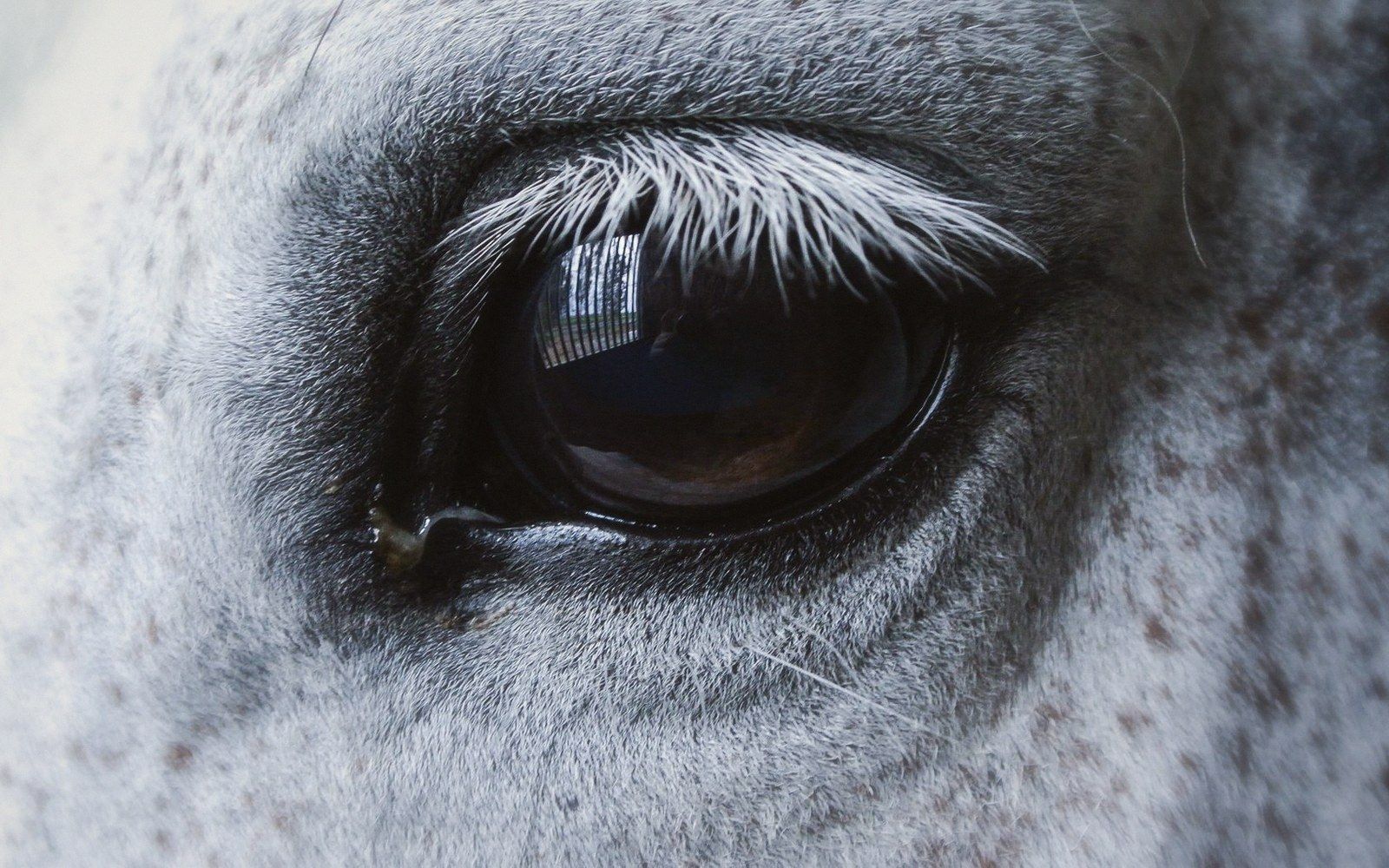
Place matters more than is often appreciated. Horses tested in familiar environments regularly perform differently from the same animals tested in new ones. The context has become part of the memory. Change the stable, the surface underfoot, the angle of approach, and what was apparently well-established can look absent. The knowledge is there; the retrieval cue has changed.
None of this is unique to horses — context-dependency and incidental learning are documented across many species. But a large, flight-adapted animal with a long memory and fine-grained sensitivity to its surroundings will encode surroundings finely. The barn cat that shifted position just before something unpleasant happened three months ago may have stayed in the record. The person who was relaxed the day something went well is also in there.
What a horse has learned and what anyone intended to teach are overlapping sets, not the same set.