The social geometry of a group
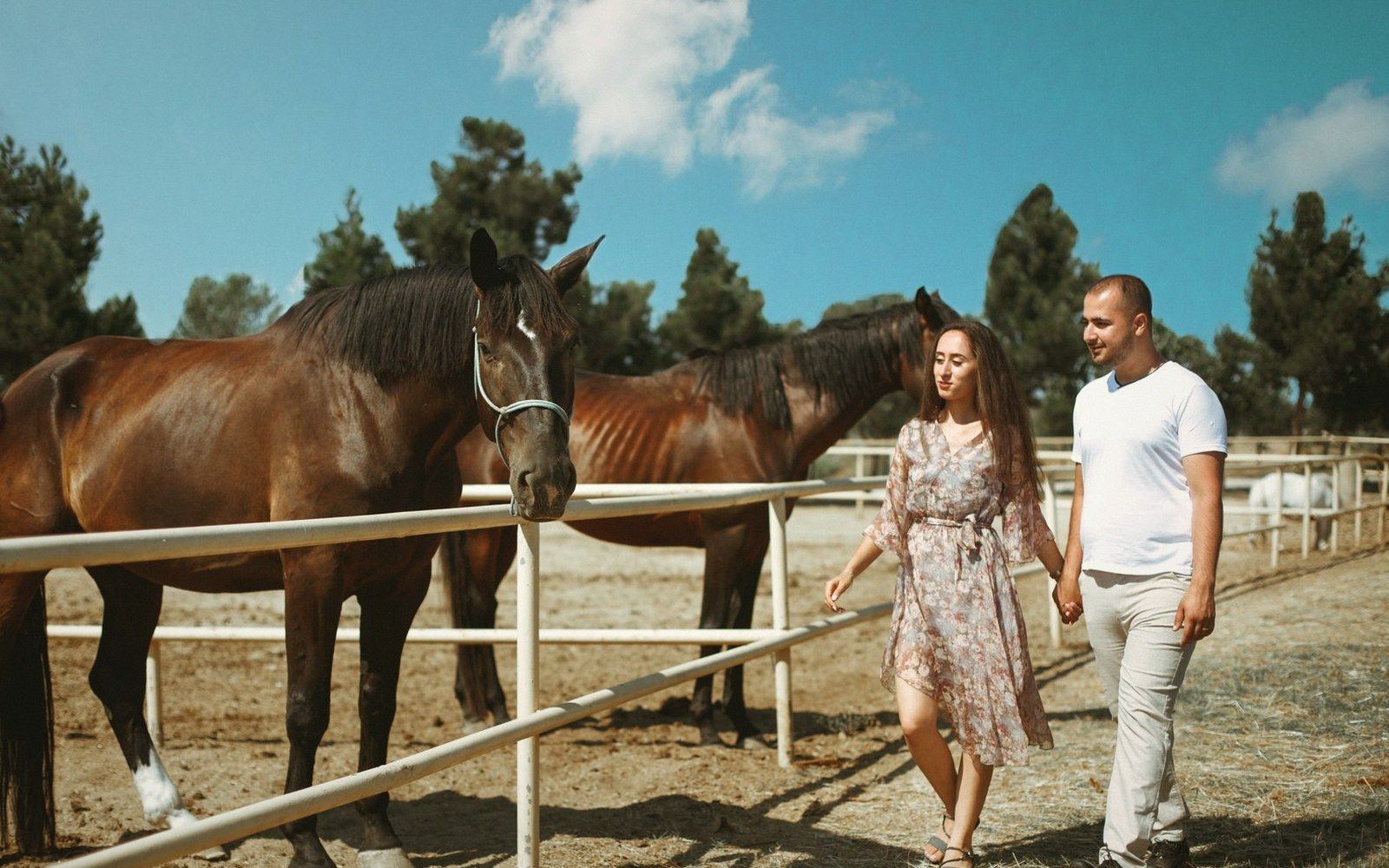
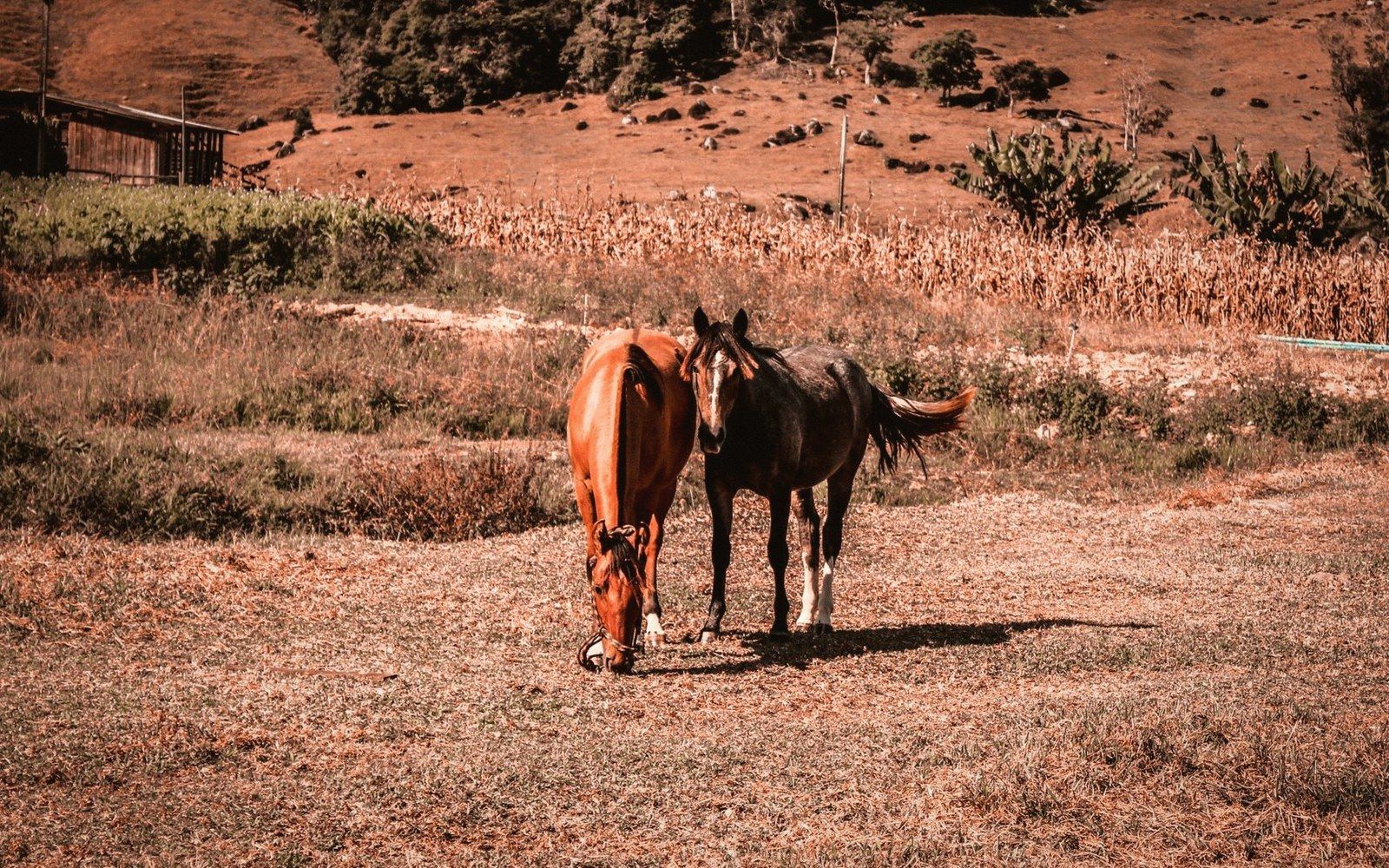
Watch any stable group of horses for twenty minutes and you will see it: animals moving apart, drifting together, angling away, stepping sideways. Very little of this looks dramatic. Most of it is quiet, incremental adjustment — a shoulder turned, a step taken, an ear pinned and immediately read. Yet the distances that result are not random. Each horse maintains what ethologists call individual distance: a personal radius within which an unfamiliar or unwelcome presence triggers withdrawal or displacement.
That radius is not constant even for a single animal. It compresses when horses stand together for mutual grooming — allogrooming — a behaviour centred at the withers and neck that is one of the clearest signals of a close social bond. The same horse that tolerates another animal at its shoulder during grooming may pin its ears and swing its hindquarters at a third animal that approaches to the same distance. Who the neighbour is matters as much as how close they are.
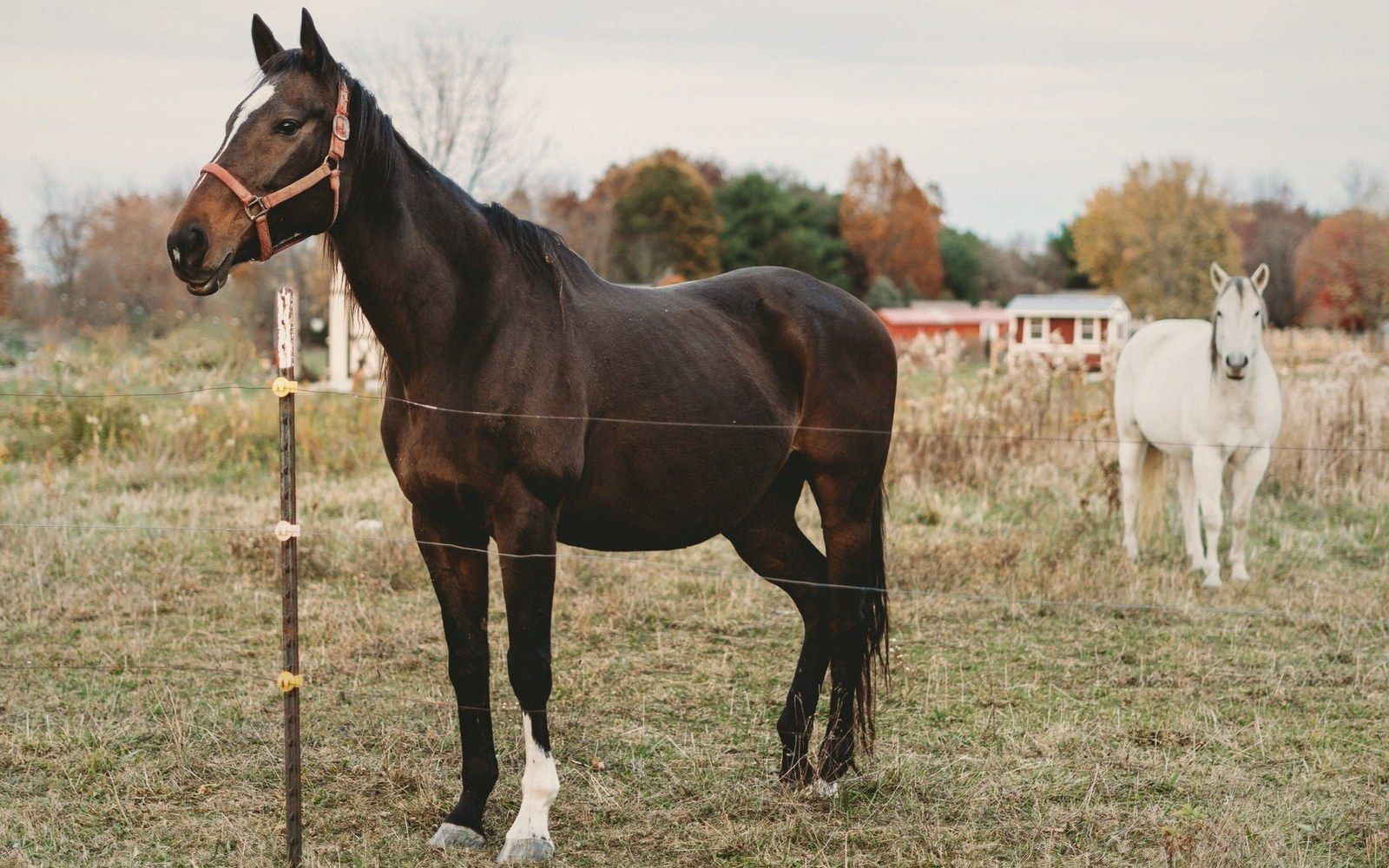
Familiarity lowers the threshold. Horses that have shared a group for months navigate around each other with a fluency that looks almost choreographed; a new introduction disrupts the whole spatial pattern of the group until relationships are established. The disruption is not simply about fighting or obvious displays — it runs through all the small movements, the decisions about where to stand, which direction to face, and whether to stay or leave when another animal approaches.
Key concepts
Observedthe personal radius each horse maintains; varies by relationship and context
mutual grooming, primarily at the withers and neck; compresses individual distance between bonded animals
one animal causes another to move away; a primary way spatial dominance becomes visible
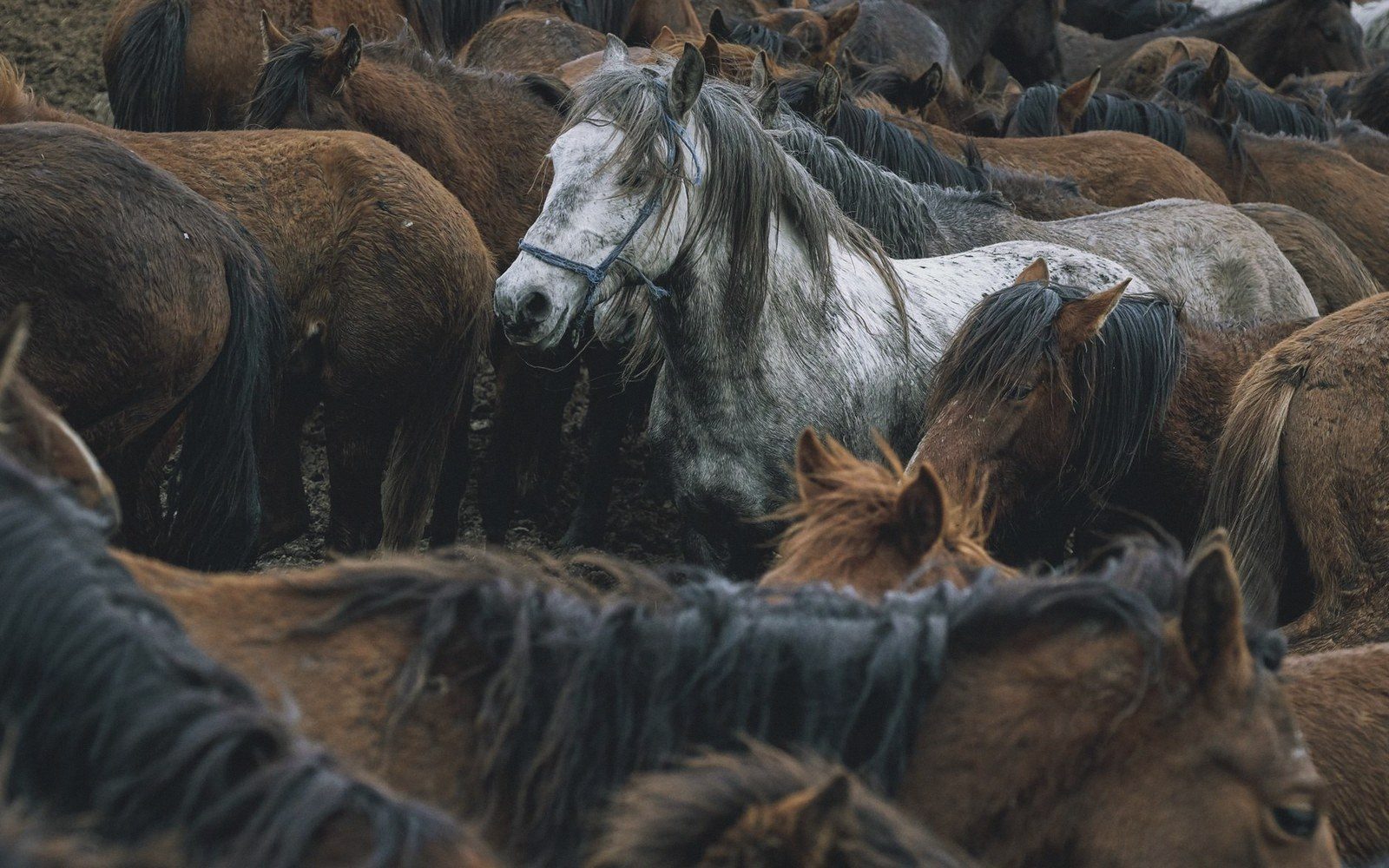
Status, to the extent it operates consistently in a given group, is partly expressed through space: a horse that reliably moves away when another approaches is making that relationship visible in physical geometry. But who moves first is a subtler question than it looks. Movement can be initiated by animals at any rank, and the same individual may displace and be displaced within the same hour depending on context — proximity to a resource, ambient tension in the group, whether the day is cold and horses are standing close for warmth.
The negotiation is continuous because the factors driving it keep changing. A group of horses in a field is not a static social arrangement with fixed distances. It is a shifting geometry, recalculated in real time, one small adjustment at a time.