When two things share a moment, the brain files them together
The horse's learning system is not designed for insight or deliberate problem-solving. It is designed for speed — for noticing, once, that a shape near the water hole coincided with a predator, and keeping that coincidence on file forever. Association is the mechanism: two things happen close together in time, and the nervous system treats them as connected.
This is not unique to horses, and it is not simple. Researchers distinguish between classical conditioning — where a neutral event reliably predicts something that already has meaning, until the neutral event carries that meaning on its own — and operant conditioning, where the animal learns that its own behaviour produces a consequence. In practice these two processes run simultaneously and are difficult to pull apart. What they share is the same foundational logic: proximity in time is taken as evidence of connection.
The biology behind this is well established. Ivan Pavlov's work with dogs in the late nineteenth and early twentieth centuries named the phenomenon, but the underlying principle — that neurons that fire together, wire together, in the phrase neuroscientist Donald Hebb later made famous — appears across vertebrate taxa. Horses are no exception. What makes equine association especially worth understanding is the breadth of what gets filed, the durability of the record, and the near-total absence of discrimination about which pairings were intended.
It does not require repetition beyond a small number of trials — and when the original event had high emotional salience, sometimes a single trial is enough.
How association works — a brief sequence
ObservedPredictor and outcome occur close together in time
The nervous system links them and raises alertness when the predictor appears alone
High emotional salience at the time of pairing strengthens and prolongs the association
Inconsistent timing causes pairing with the wrong, more salient element
The unintended pairings are the real story
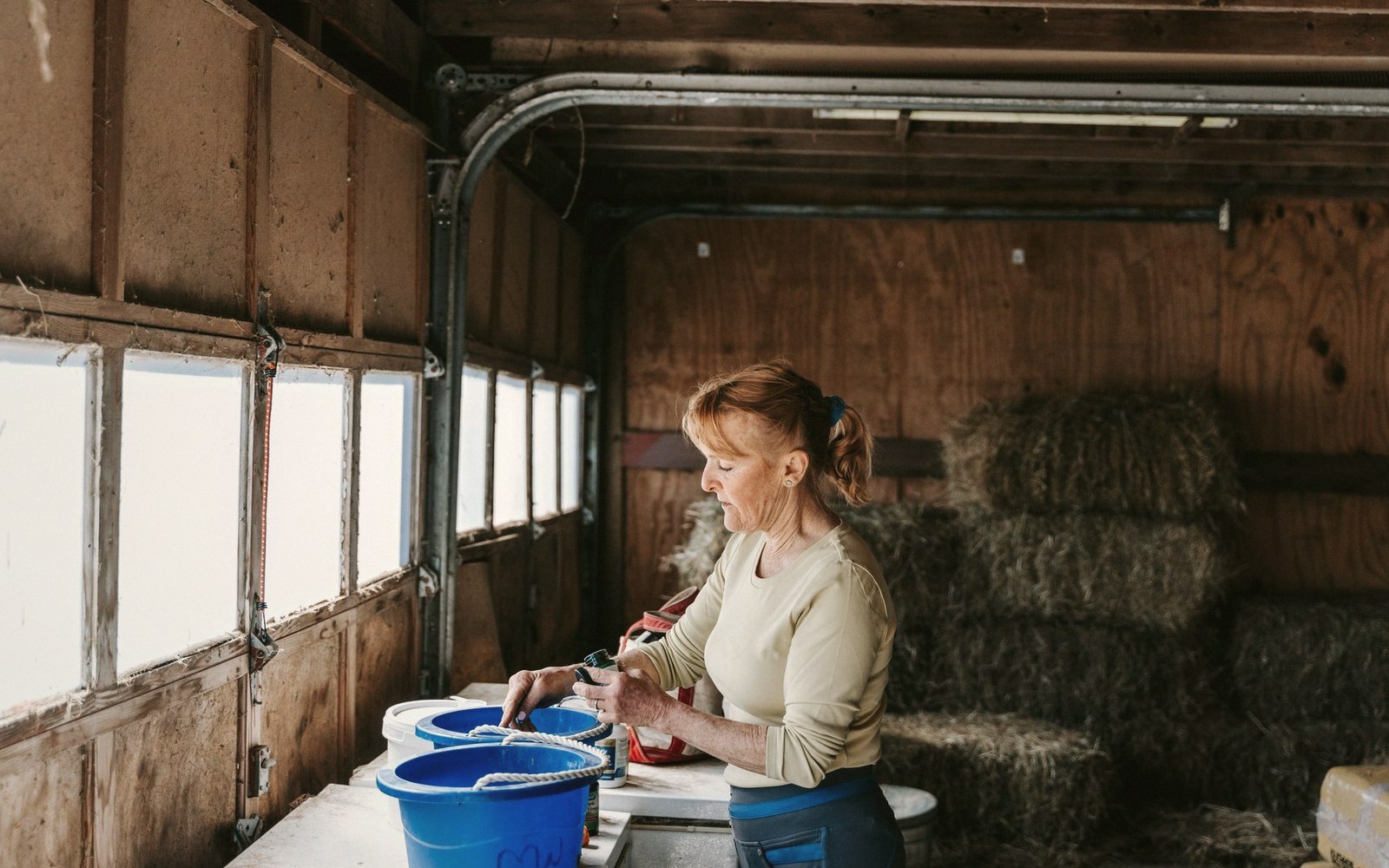
Most of what a horse associates is not what anyone planned. A bucket that appears at a consistent time of day becomes associated with feeding before anyone opens it. A particular human gait becomes associated with increased energy in the air, even if nothing external happens. A location in a field becomes associated with a past incident there, and the animal's arousal lifts every time it passes the same spot, long after the incident has been forgotten by everyone present. The pairing does not require the horse to understand causation. It does not require repetition beyond a small number of trials — and when the original event had high emotional salience, sometimes a single trial is enough.
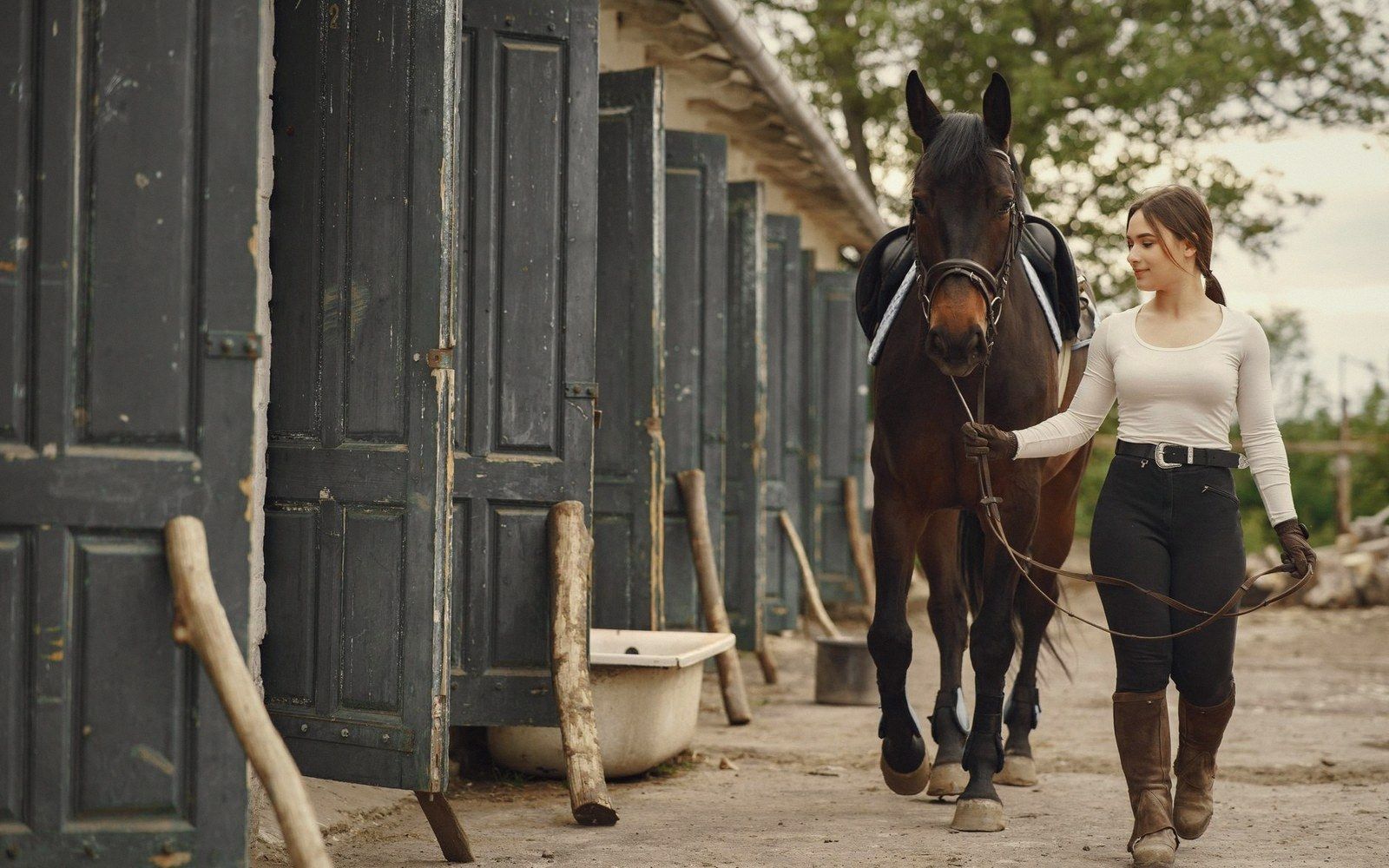
This durability is worth dwelling on. Associations formed in states of high arousal are particularly resistant to fading, which is consistent with what we know about stress hormones and memory consolidation in mammals generally. A horse that was startled at a specific gateway may show altered behaviour at that gateway for months or years, even in circumstances that are otherwise completely calm. The nervous system is not making a mistake. It is doing exactly what it evolved to do: keeping the record of what coincided with danger, available for fast retrieval.
The same process works in the other direction. Positive associations — food, social contact, relief from discomfort — are formed just as readily. The sequence still matters: for the pairing to consolidate, the predicted event needs to follow the predictor within a short and consistent window. When that window is inconsistent, the association forms around the wrong element, often the most salient one rather than the intended one. This is why what gets learned is so often something adjacent to what anyone meant to teach — the footfall before the event, the breath, the change in a shadow.
What horses do not do is file associations into a category called "this was a mistake" or "this was accidental". Contiguity — occurring together in time — is the criterion. Intention is invisible to the learning system entirely. That places a particular kind of responsibility on anyone who reads this: the environment around a horse is continuously pairing things, and the pairings land whether they are noticed or not.